
If you’re a writer who’s serious about a career, you probably have some form of online presence: a website, a blog, an Instagram account. You may make use of images and/or videos created by others–to add visual interest to your blog posts or newsletters, build out your website, and engage your readers and followers. For example, the header image I’ve placed at the top of this post.
Online image use is not without its dangers, however. It offers fertile ground for copyright trolls.
What’s a Copyright Troll?
Wikipedia defines a copyright troll thus:
A copyright troll is a party (person or company) that enforces copyrights it owns for purposes of making money through strategic litigation, in a manner considered unduly aggressive or opportunistic[.]
These kinds of copyright trolls create and register copyright to content that they then make widely available online, to increase the possibility that people will re-post it without permission. Using sophisticated search tools and algorithms, they find infringers and use threats of litigation to shake them down for cash settlements.
More indirectly, some companies and law firms specialize in copyright threats on behalf of third parties, seeking out infringers (and often roping in non-infringers as well), filing or threatening to file suit, and demanding large fees (in many cases, far exceeding the actual value of the intellectual property) to close the claim.
A major pioneer of third-party copyright trolling was a company called Righthaven, which licensed rights to news articles and then used the threat of lawsuits to coerce people who posted the articles—or even snippets of them—into paying thousands of dollars in settlements. Another notorious practitioner was former lawyer Richard Liebowitz, who employed a similar M.O. on behalf of photographers.
Karma did eventually bite back: Righthaven was sued out of existence, and Liebowitz was suspended from the practice of law in New York State. But copyright trolling is alive and well, and if you post images online, you may become a target—as I did a few months ago.
My CopyTrack Adventure
Like many people favored with attention from copyright trolls, I was a bit freaked out when I received an email from CopyTrack, an “expert for the global enforcement of image rights” that’s widely enough known in trolldom that there are explainers addressing what to do if they contact you.

You can see the image and how I’ve used it here. (Note that this is my personal website; I’ve used the same image on the Writer Beware blog, but copyright trolls prefer to focus on individuals, who are less likely to have the resources to defend themselves.)
Because of Writer Beware, I’m often targeted with various kinds of threats. Mostly these can be safely ignored. But though I’d never heard of CopyTrack, I had heard of copyright trolling, and the general consensus is that non-response is not a good idea.
The link in the email above leads to the CopyTrack Settlement Portal, and a form where I was asked if I had a valid license to use the image. Here’s another feature of copyright trolls: they don’t do a lot of due diligence before sending out their scary communiques. In fact, I did have a license: from Shutterstock, where I subscribe to a plan that allows me unlimited use of images downloaded from the site.
I filled out the form and uploaded a screenshot of my most recent Shutterstock invoice as well as a screenshot of the image’s ALT text on my website, where the photographer—and Shutterstock–are credited:

To give CopyTrack credit, the process is quick. I heard back within a day with a request for more information, which I provided. The day after that, they closed the case.

My shakedown experience was relatively mild. Unlike some copyright trolls, CopyTrack isn’t a law firm, so it couldn’t pre-emptively hit me with a lawsuit (though it doesn’t skip the fear factor, making clear in its initial message that it is capable of escalating cases to lawyers). Nor did it demand thousands of dollars, as some copyright trolls do—though 200+ euros for continued use or “compensation” isn’t chicken feed (per its website, CopyTrack keeps 45% of any money it recovers).
Other copyright trolls that pursue or have pursued users of images: PicRights, Higbee and Associates, KodakOne, Pixsy, and Photoclaim. That’s not an exhaustive list, either.
The Importance of Protecting Yourself
The resources I consulted in my research for this post agree that copyright trolling is on the rise—and as my experience shows, you don’t have to infringe to be a target. In that environment, it makes sense to do what you can to defend yourself.
What does that include?
- First and most obvious, if you use images, make sure you have the proper licenses and/or permissions, or that the images are free to download under a Creative Commons license, such as photos from sites like Pixabay and Unsplash (though do read the license terms: there may be restrictions on use, such as a requirement for attribution—and yes, trolls come after people for messing that up too). Giving credit to the image creator and/or linking back to the source is polite, but it won’t protect you from copyright claims.
- Keep good records. If you purchase images individually, or subscribe to a stock image website like Shutterstock or Getty Images, keep your receipts on file. If you obtain permission direct from an artist, make sure it’s in writing. If you use one of the free image sites, keep a record of the search terms you use or take a screenshot of the download page so you can show where you got the image.
- If you accept guest blog posts, require the guest blogger to prove that they have permission to use any images they contribute. Posting an unauthorized image may be someone else’s mistake, but if it’s on your blog or website, you will be the one getting trolled.
- If you outsource content (such as employing a third party to produce blog posts or other web content for you), be sure you know what your liability is. In an ideal world, the person or service will indemnify you against error, but if copyright ownership is transferred to you, then you, not they, will be on the hook for any infringement.
- Don’t ignore a copyright infringement notification. If you websearch CopyTrack, you’ll find comments from people who say they ignored it, and after two or three attempts it gave up. You can’t count on that happening, though–plus, as mentioned, CopyTrack is not a law firm. In many cases, the notifications do come from law firms, which can actually sue you. Blowing off notifications and deadlines can have adverse consequences.
- Finally: if you have a valid license, as I did, by all means go through the steps to prove it and close the case. But if you don’t, or if there’s any ambiguity or question, or the troll is demanding a lot of money…seek legal advice, preferably from a copyright attorney. Don’t try to handle it on your own; don’t try to settle on your own. There are defenses a lawyer can invoke (here’s an example), and they may be able to reduce the fee.
Oh, and the image at the top of this post? It’s a download from Flickr, under a Creative Commons license that requires attribution and a link back to the source, both of which I’ve provided.
Have you ever heard from a copyright troll, or been accused of copyright infringement? If so, how did you respond?
Victoria Strauss is the author of nine novels for adults and young adults, including the WAY OF ARATA epic fantasy duology (THE BURNING LAND and THE AWAKENED CITY) and PASSION BLUE and COLOR SONG, a pair of historical novels for teens. In addition, she’s written a handful of short stories, hundreds of book reviews, and a number of articles on writing and publishing that have appeared in Writer’s Digest, among others. In 2006, she served as a judge for the World Fantasy Awards.
She is the co-founder, with Ann Crispin, of Writer Beware, a publishing industry watchdog group that provides information and warnings about the many scams and schemes that threaten writers. She received the Service to SFWA Award in 2009 for her work with Writer Beware.
She lives in Amherst, Massachusetts.
Many thanks to Victoria and Writer Unboxed for sharing this important information!





 Thanks to Sara Hart for interviewing me on her podcast PRIME SPARK WITH SARA HART and whose blog offers encouragement to women over 55. Here is the link to the interview: https://www.spreaker.com/user/10210191/ps-ep70-v1. In it, I discuss my path to publication and other writing challenges with Sara.
 It’s no surprise that I’ve been thinking a good deal about dreams and the role they play in our lives. Why? Shanti Arts Press released my latest poetry collection on June 27 titled
  Martha Anne Toll’s debut novel, THREE MUSES, published by Regal House Publishing in September 2022, was shortlisted for the
  Joe Safdie has been lurking in and around the poetry world for 50 years; his first chapbook, Wake Up the Panthers, was published in 1974, while he was still an undergraduate at UC Santa Cruz. His ninth book, published last year by Spuyten Duyvil, is
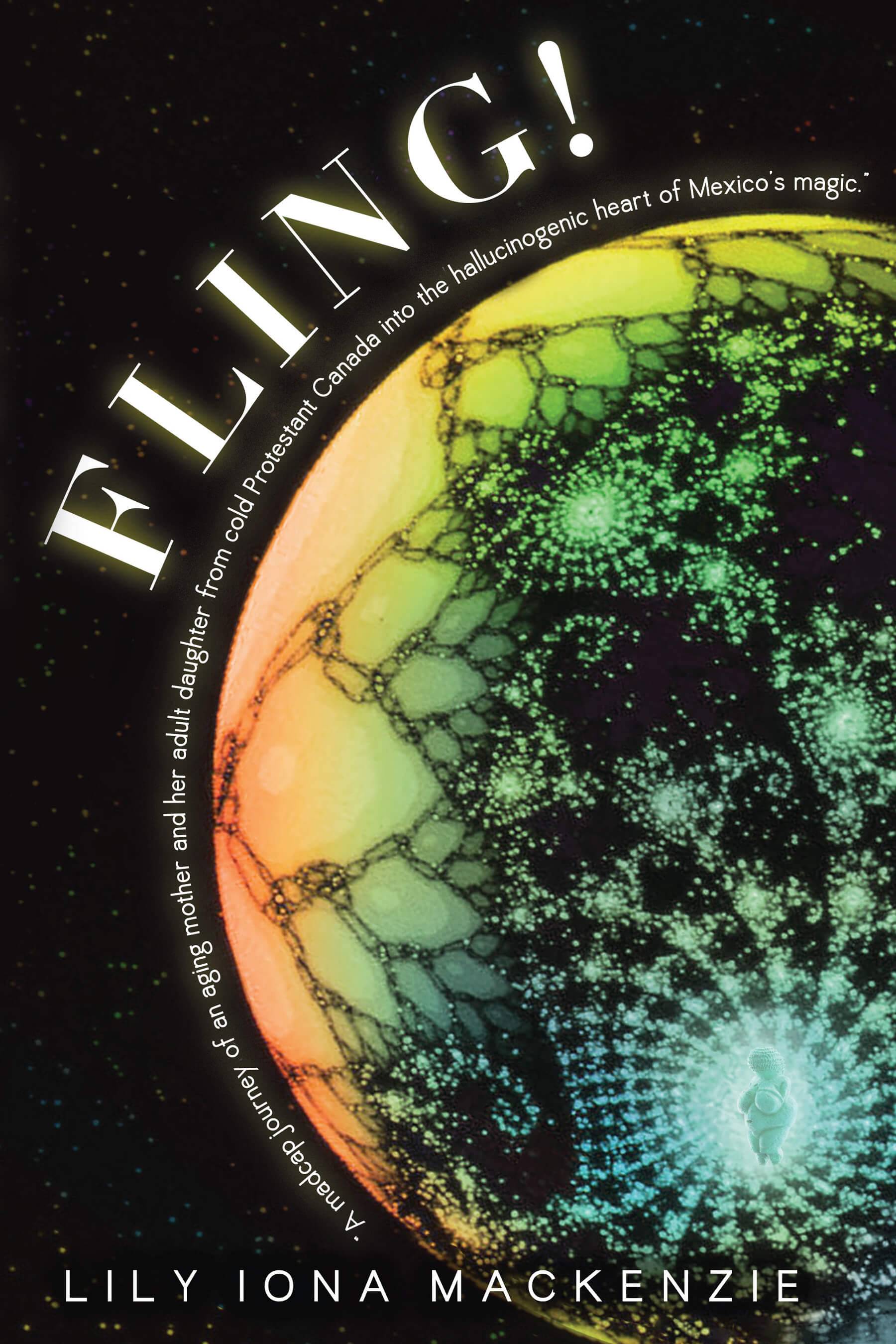
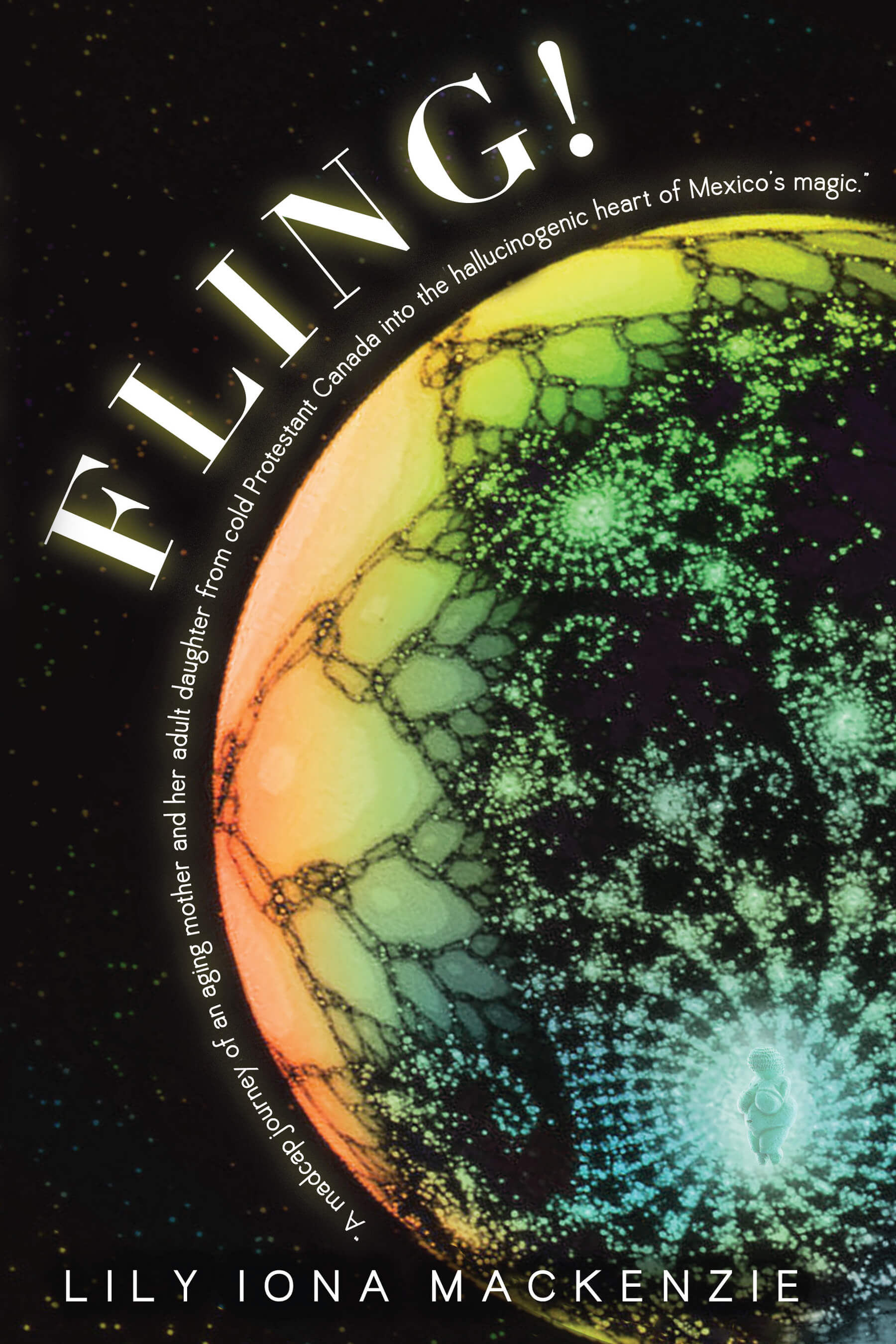
  My novel Fling, a wildly comic romp on mothers, daughters, art, and travel, was published in July 2015.
 Kathleen McClung is the author of four poetry collections: A Juror Must Fold in on Herself, winner of the 2020 Rattle Chapbook Prize, Temporary Kin, The Typists Play Monopoly and Almost the Rowboat. Winner of the Morton Marr, Maria W. Faust, and Rita Dove national poetry prizes, her work appears in a variety of journals and anthologies. From 2021-23 she has served as guest editor for The MacGuffin, a print literary journal based in Michigan. She also served as associate director of the Soul-Making Keats literary competition and judged the contest’s sonnet category. In 2018-2019 she was a writer-in-residence at Friends of the San Francisco Public Library. Kathleen teaches literature and writing classes at Skyline College in San Bruno and directed the Women on Writing conference there for ten years. She also teaches privately and at Osher Lifelong Learning Institute (OLLI) in San Francisco. Visit her website at
  Whenever I give a talk or reading, someone in the audience asks where my stories come from. I find the answer more complex that what it would appear to be on the surface. What are my narrative seeds? What starts me on these explorations of others’ lives?
 Full disclosure: I started this blog so I would have a “writer’s platform” I could show agents and potential publishers. But it doesn’t come without a cost, and that is one’s privacy.
  My husband and I like to travel when we have the time and money. We’ve managed to visit St. Petersburg, Moscow, the Atlas Mountains in Morocco, Marrakech, Fes, Rabat, Istanbul, the entire Aegean/Mediterranean coast off Turkey, Norway, Sweden, Denmark, and many other countries.
  In a recent dream, I’m standing on the street outside the Crescent Confectionary in Calgary, the city where I grew up. The place is lit from within. A couple sits at a table next to the window, eating. I feel like the little match girl, on the outside, looking into this place where I once worked. When I was thirteen, I went with Chester, my stepdad, to the Confectionary, and he asked Mr. Larson, the owner, to give me a part-time job. Chester bought all of our food there on credit, paying the bill when he was flush.
  Spring has arrived, and the warmer weather offers ways for people to gather again. Book festivals often appear, and I guess that’s why I’ve been thinking about ones I’ve participated in. I realize that, while these events are great for focusing on the many book genres available, I also have concluded that I probably won’t attend one again.
  Marjorie Hudson bio
 In an issue of The Writer’s Chronicle, I read “The (Magical) Voice of Community in Mark Twain’s The Mysterious Stranger” by Jordan Dotson. Since much of my fiction falls into the magical realism category, I was interested in what Dotson had to say about Twain’s final novella and how I could apply what I read to my own work, especially my novel
 I’m thinking today of timing—how important it is to success. Timing and perseverance: the two go together. I’m also noticing the seasonal aspect of creativity, how cyclic it is. That too is hard to grasp. I want it all the time. I’m afraid if it isn’t there, it won’t return. But I need to remember that if I pursue my creative impulses, and if they’re in accordance with my abilities, then there will be success. Maybe not financially, though that would be nice. But I’ll experience the satisfaction of achieving what I’m capable of.
  My novel

 With two new books being published by Shanti Arts, and wondering how best to market them, I’ve been thinking about book festivals I’ve participated in. I realize that, while these events are great for focusing on the many book genres available, I also have concluded that I probably won’t attend one again. A few years ago, I signed up for the Bay Area Book Festival in Berkeley, a relatively new venue at the time. Its first session was in 2015, and it claims to be an international event that draws people from all over the world: “More than 50,000 diverse people of all ages, from urban to suburban Bay Area communities and beyond.”
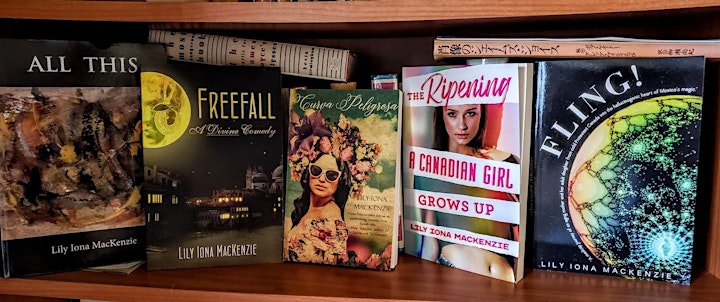
 My
My  $900 on contest fees. I’ve been shortlisted in a memoir magazine contest and been declared a finalist for another book award. In one case I won a Bronze Medal in the Female Memoir division, and in another, I was named a runner up in the Memoir category. None of these “honors” paid me any money. The announcement of my “win” is most often followed by a bombardment of emails encouraging me to pay more for editorial or marketing advice or for a bronze medal on a colored ribbon or to enter more contests or book festivals. I’ve won no mention at all in six contests, and five have yet to report.
 Writing is such a part of my day that if I don’t get to it, I’m constantly distracted, as if I have a lover I’m thinking about. It’s like a siren’s call, pulling me away. My husband Michael notices it. He comments on me seeming drifty. He’s right. I’m not fully there. The discipline of writing an hour or more a day pulls me into myself and gives me the contemplative part I need. Balance.