
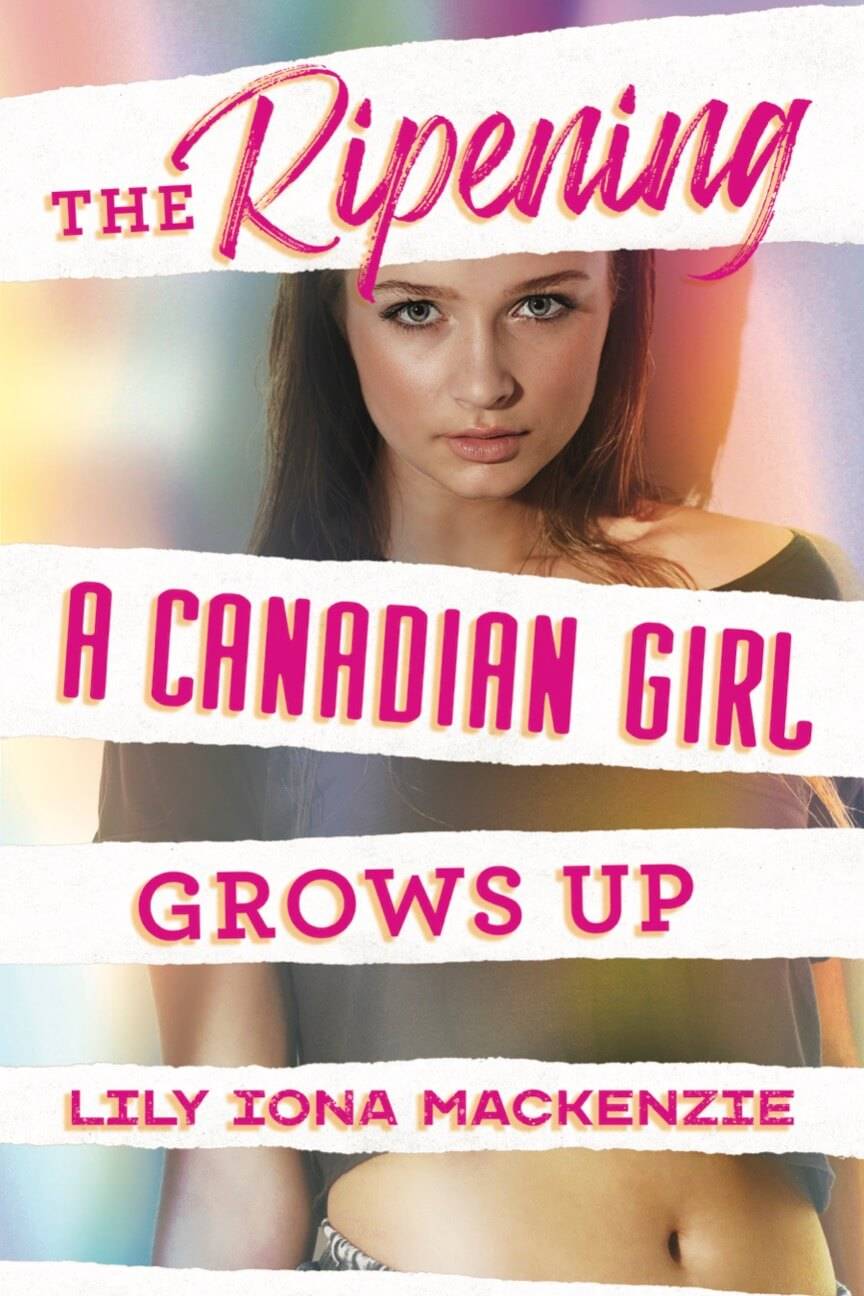


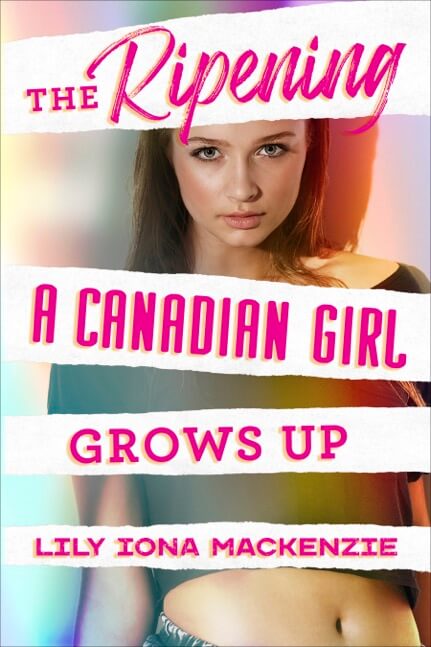
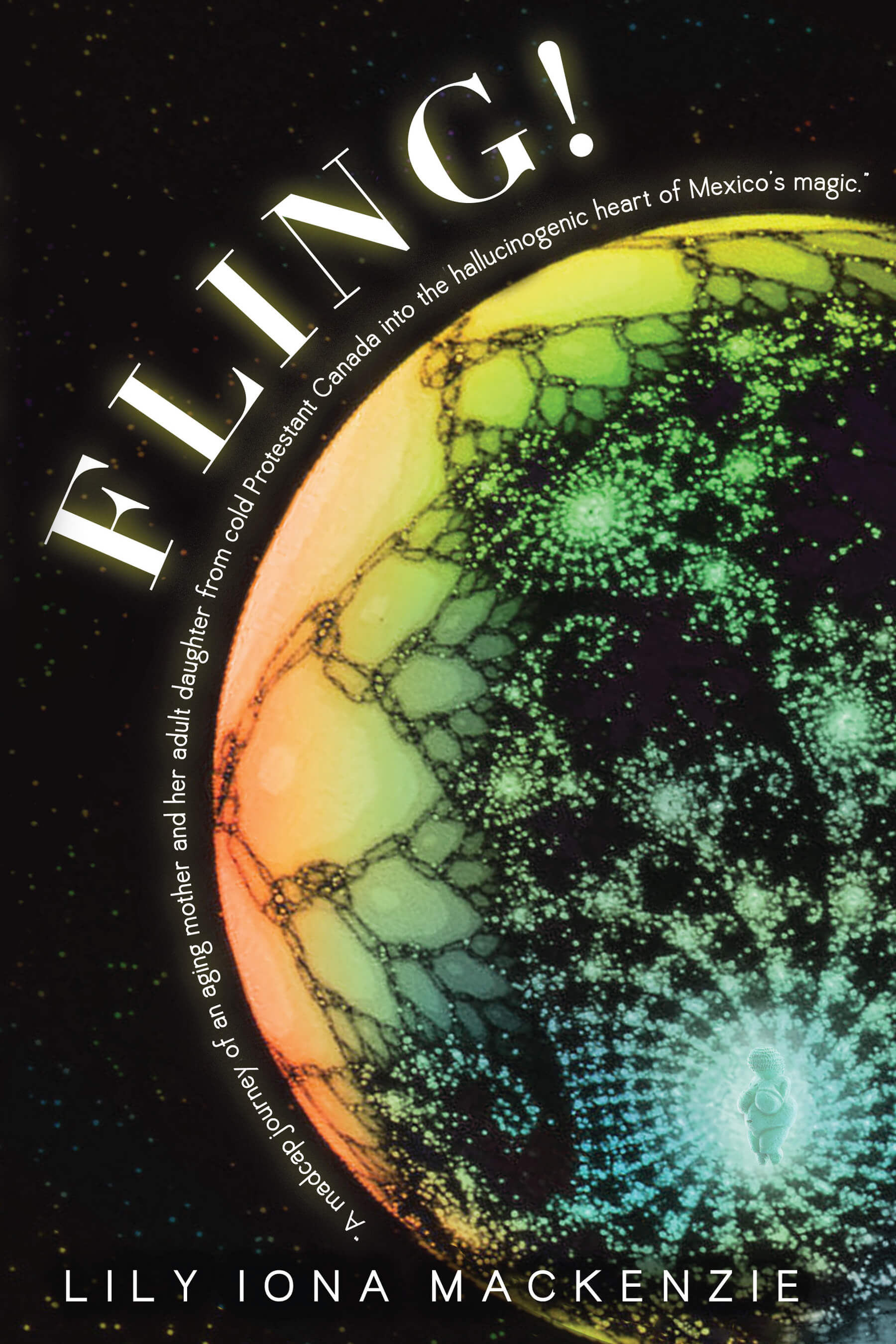


 I was pumping hard on the exercise bike at the gym while having a conversation with the fellow riding next to me. We had introduced ourselves and exchanged backgrounds. He had just learned that I’m a published writer and was intrigued by the idea, congratulating me on the release of my most recent novel The Ripening: A Canadian Girl Grows Up. I surprised myself by laughing dryly and calling writing an affliction. (more…)
 During the Covid pandemic, we did a lot of waiting, and we still are! We’re waiting to learn if there will be new aggressive variants of the virus. We’re waiting to see if we can safely spend time with family and friends now and in the future without wearing masks. We’re waiting to see if 2023 will give us any relief from the multiple problems that face us a a country and as citizens of this planet. But I have to admit that, as a writer, the act of waiting is not unfamiliar to me. It’s an example of how central waiting is in the writing process.
 I’m thinking today of the eclipse of the sun that happened in August 2017. My husband and I had just spent three nights on the Mendocino coast in Northern California and were driving to our Bay Area home under an overcast sky. We didn’t see the whole eclipse, but we did notice a change in the light’s intensity as the moon began blotting out a portion of the sun. Instead of the sun making everything hard-edged and clear, there was a softer quality to what I saw from the car window, reminding me a little of how the earth looks under a full moon.
  Imagination is such an important part of our work as creators, whether we’re writers, visual artists, musicians, and more. However, it isn’t enough just to have imagination, but it also needs to be educated, refined, and developed, like any faculty. I could have a bent for playing the piano or singing, but nothing much will come of it without practice, lessons, and moving up through the levels.
  Guest author Steven Mayfield, a fellow Regal House Author, graciously answers my questions about his evolution as an author. Read on!
 Today I skipped my daily hour or more of writing. A discipline I’ve maintained for many years, it has resulted in over four novels, numerous short stories, poems, essays, and now a hybrid memoir. Not writing today made me think of a toddler I dreamt of last night. He told me he didn’t feel emotionally connected to me. At the moment, that’s how I feel about writing. Since I’m currently not immersed in writing a novel or poetry, I feel emotionally detached from the process, but not because I’ve stopped producing. I’m working on a manuscript that starts with my days as a high-school drop out—a memoir that is also an analysis of the genre.
 I’ve been reviewing the notes I’ve kept for all my four published novels, going back to the first one
 I’ve been thinking a good deal about dreams and the role they play in our lives, especially during the time I was writing my hybrid memoir,
  As a pre-TV child (television arrived in Calgary in the early 50s, about ten years after it appeared in the U.S.), radio dramas fed my imagination: Boston Blackie; Suspense Theatre; and The Green Hornet come immediately to mind. Though they provided the plot and dialogue, I was able to supply the images myself, far more dramatic than what any TV director could create. In my young mind, Boston Blackie was the white knight in spite of a name that implied otherwise. Evenings spent shivering in front of a radio, shivering from glorious fear and not cold. The room crackling with drama—suspense. And I was an important participant: the program needed my imagination to give it life.
  Michael Barrington, an international author from Manchester, England, spent his teen age years at a boarding school in the Lake District. After joining a French Order of Catholic Missionary priests, he spent ten years in West Africa, several of them during a civil war when he was stood up to be shot. He lived for a year as a hermit in Northern Ireland. After teaching in Madrid, Spain, he spent four years in Puerto Rico as Director of an international student program for Latin America. He now lives near San Francisco, is completely fluent in several languages, is an avid golfer, and academically considers himself to be over-engineered with three Masters’ Degrees and a Ph.D. On his bucket list is to pilot a helicopter, become fluent in Arabic, and spend a week’s retreat at Tamanrasset in the Sahara-desert.
  All the best writers do it. They develop a piece as they write subsequent drafts, improving the writing every time.
 No Sweat Marketing
 Many writers try to live up to Henry James’ advice: “Be someone on whom nothing is lost.” We writers need to approach our internal and external realities in a mindful way, taking in as much as we can so that when we write description, create dialogue, and develop characters, we have plenty of material to work with. But being mindful also means we are more alert to our surroundings and, hopefully, more alive in each moment.
  For years, I’ve received emails from Writer Unboxed that promote “empowering, positive, and provocative ideas about the craft and business of fiction.” In a recent one,
  Until a recently, I had no idea what a
 Giving Birth to a Novel and to Myself
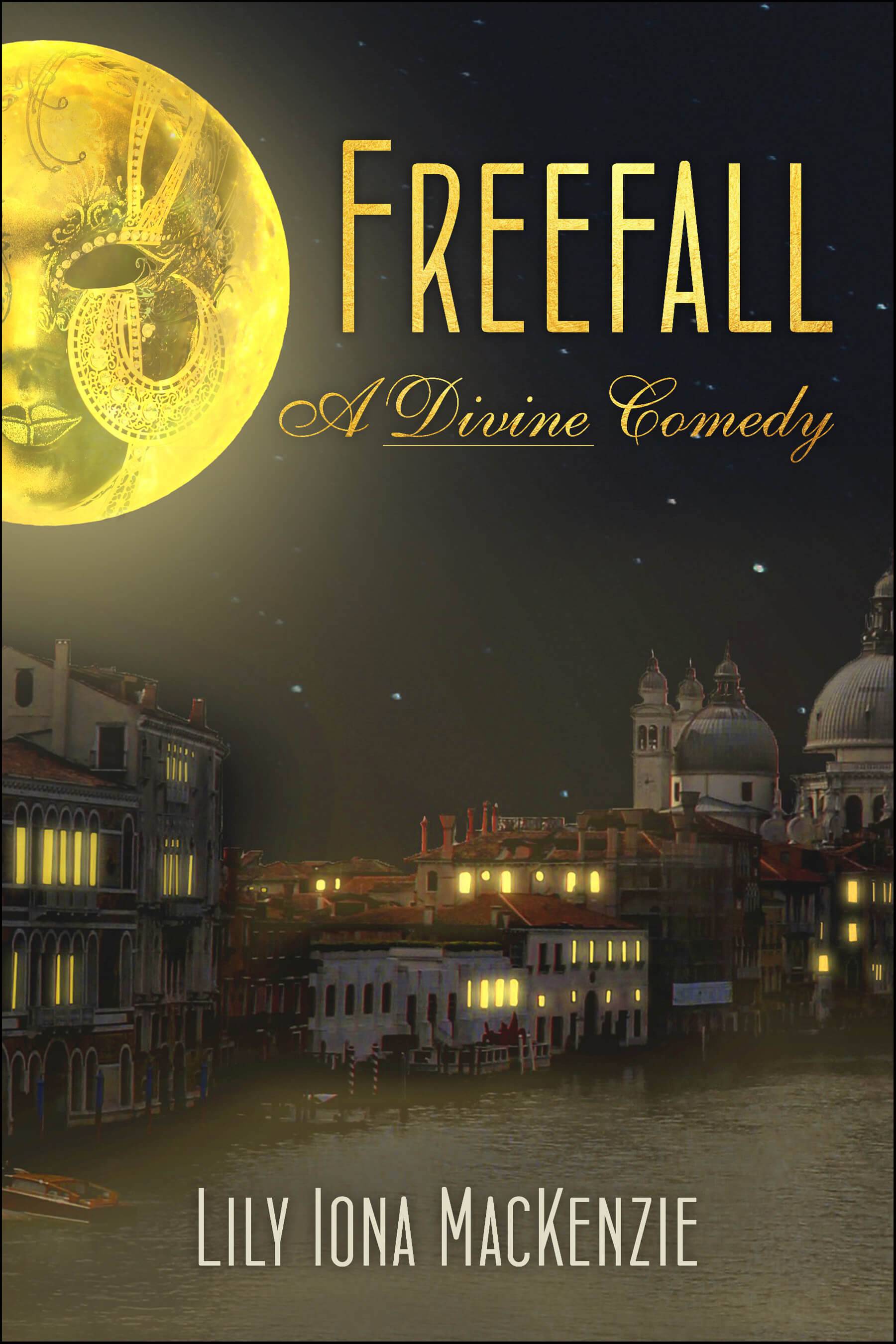
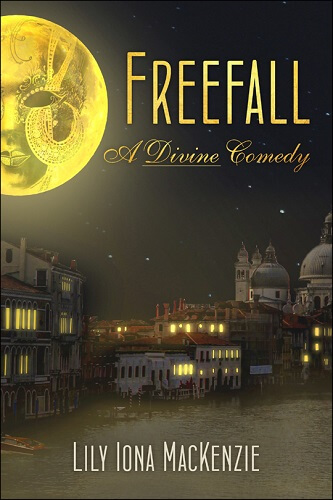
 The publishing date for Freefall: A Divine Comedy draws nearer (1/1/19), and a few days ago, my advanced review copies (ARCs) arrived after the drafts went through several final editings. Since the novel had already gone through numerous versions, the editing at the end was light, mainly copy-editing problems. (more…)
 Small presses don’t have the reputation that larger presses do of maintaining high editorial standards. But my experience with these presses, especially the one that published
  As a poet, I recognize poetry’s tremendous importance to a society. Still, I can get caught up in the complexities of modern life: I have classes to teach, papers to read and grade, writing projects demanding equal attention, a family to care for. Therefore, it’s easy to forget that poetry is as necessary to our well being as food, though when I say this to my students, they look at me skeptically.
  I’m always a puzzled by how writers can plan out a poem or story before even attempting the first sentence. Some do complete outlines, right down to the actual ending. Others have ideas they want to develop into a poem or story, which suggests control over the content. To me, these methods feel too engineered, preventing the unconscious to have much play in the process.
  In my last post I spoke of the difficulties I had upgrading my WordPress blog to a new theme. Today’s post is an extension of that one.
 Well, I certainly didn’t expect that setting up a new WordPress blog theme would take over my life, but it has. It started so innocently. I began browsing through my then free WordPress themes, searching for one that would give me a more professional online look as a published author. There were many to choose from, but none grabbed me. None said, “Hey, Lily, this look will enhance your author’s ‘brand.’”
 Dear Fellow Readers,
 During a visit to Calgary, Canada, the city where I grew up, I conducted a workshop at the event “When Words Collide.” It was entitled “The Origins of Fiction: A Personal Odyssey.” Preparing for the occasion had me thinking about narrative seeds, especially mine. What starts me on these explorations of others’ lives?
  I’ve been thinking about names and how they inform our lives. When we’re born, our parents select our name that starts us on a journey. It might have some mythical weight to it, like Adam or Naomi. In that case, we’re already embedded in an archetypal story. The Biblical Adam makes me think of a male archetype, one who is grounded in masculine stereotypes of responsibility and obedience. With Naomi, there is another Biblical connection. A woman whose life is filled with strife, she is fortified by Ruth, her daughter-in-law.