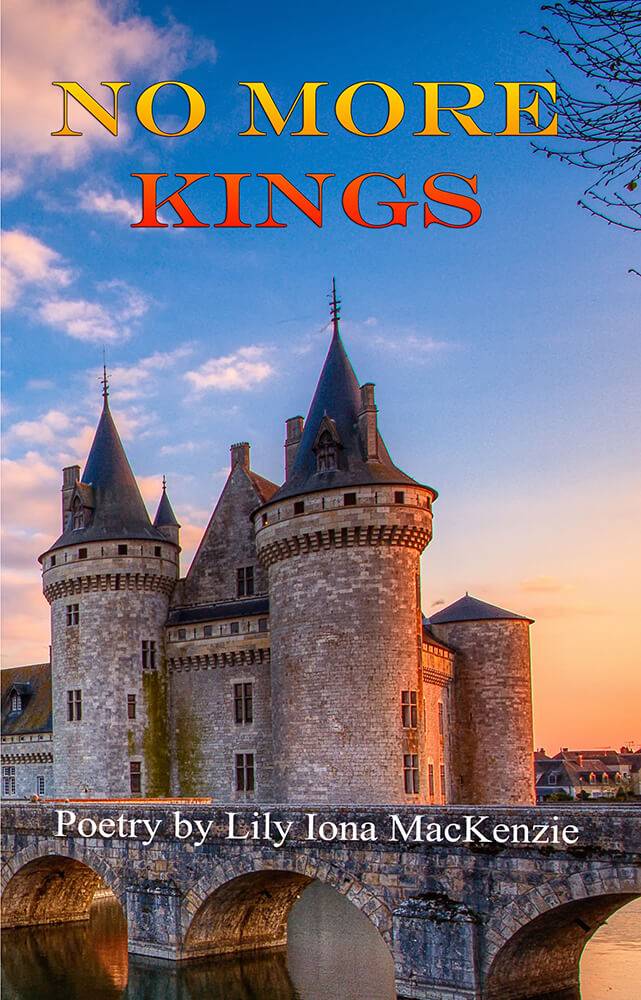
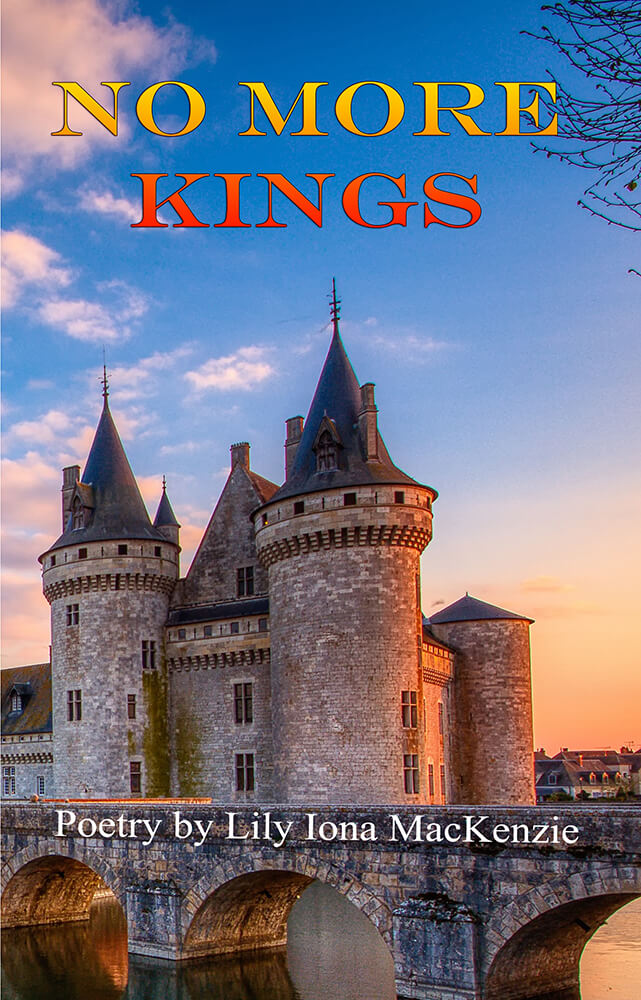
Lily Iona MacKenzie's unbounded zest for life sings through the poems in this collection. A writer in her bones and a dreamer in her heart, she discovers the poetry in everything—travel, art, music, nature, past and present—her words and rhythms touch the soul and leave their treasures behind. “Listen closely to these poems’ quiet but insistent murmur.” (Kathleen McClung)
Lily Iona MacKenzie's unbounded zest for life sings through the poems in this collection. A writer in her bones and a dreamer in her heart, she discovers the poetry in everything—travel, art, music, nature, past and present—her words and rhythms touch the soul and leave their treasures behind. “Listen closely to these poems’ quiet but insistent murmur.” (Kathleen McClung)
Lily Iona MacKenzie's unbounded zest for life sings through the poems in this collection. A writer in her bones and a dreamer in her heart, she discovers the poetry in everything—travel, art, music, nature, past and present—her words and rhythms touch the soul and leave their treasures behind.
“Listen closely to these poems’ quiet but insistent murmur. ” - (Kathleen McClung)
" A wildly inventive, consistently engaging, and amusing comic novel, but under its bright exterior lurk darker undertones and truths.... "
" A wildly inventive, consistently engaging, and amusing comic novel, but under its bright exterior lurk darker undertones and truths.... "
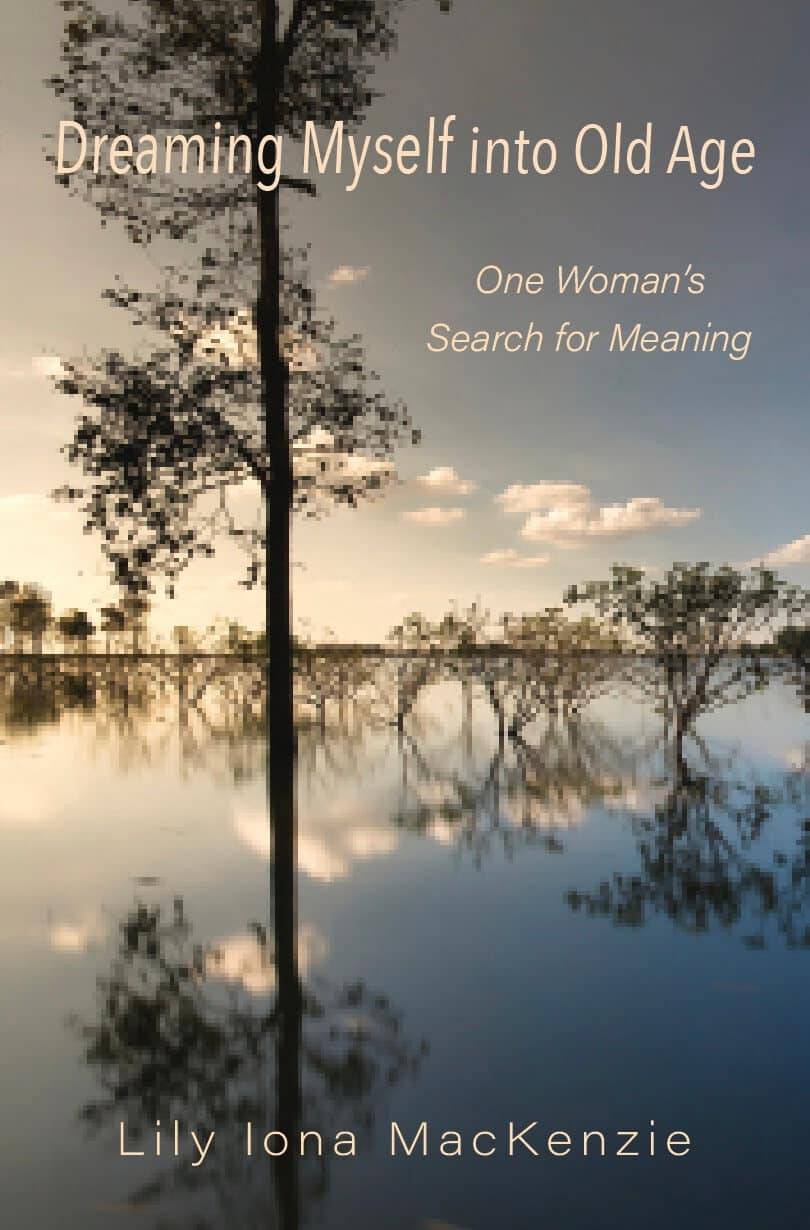
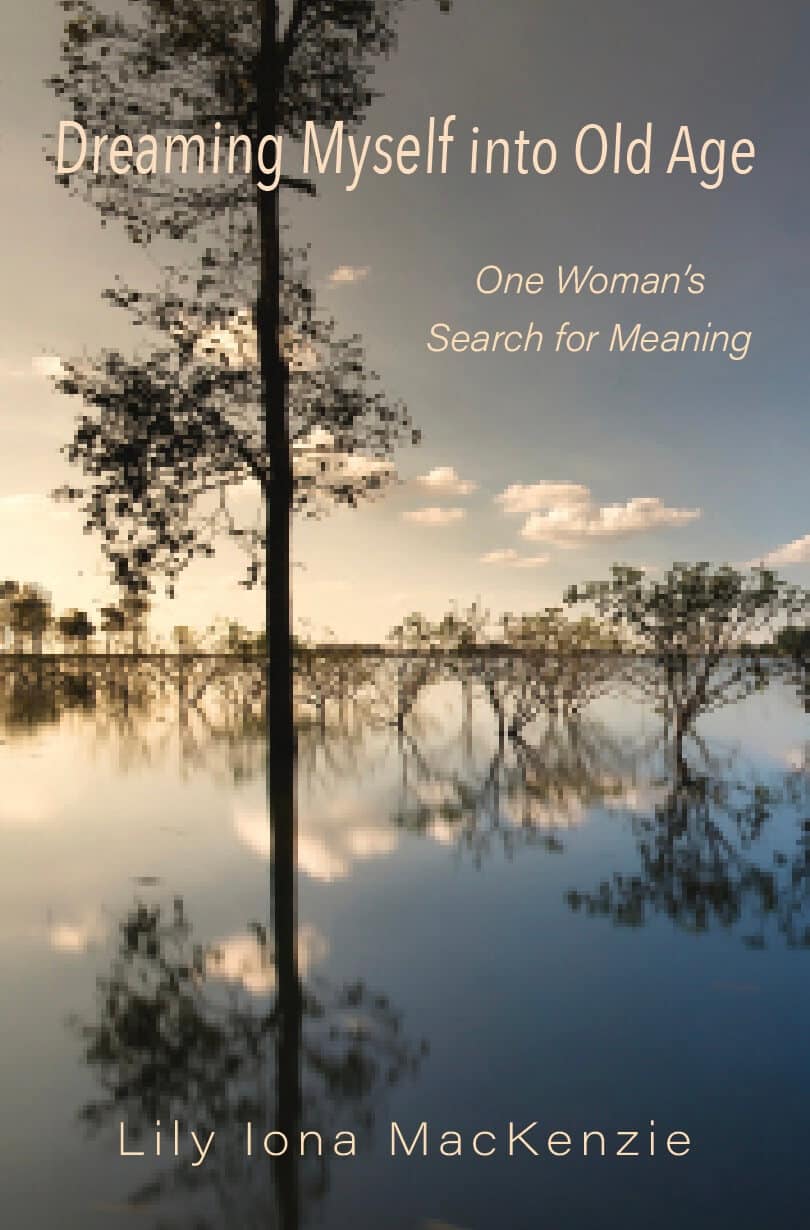
Now in her eighties, Lily Iona MacKenzie is challenged with facing old age and all that comes with it. Determined to age gracefully and thoughtfully, she recognizes that working with one's inner life and one's dreams are keys to understanding the changes that come with aging.
Dreaming Myself into Old Age is a memoir set within the lifelong process of self-discovery and the boundless adventure that is life.
" A wildly inventive, consistently engaging, and amusing comic novel, but under its bright exterior lurk darker undertones and truths.... "
" A wildly inventive, consistently engaging, and amusing comic novel, but under its bright exterior lurk darker undertones and truths.... "
" Tillie’s grit and ability to face life’s challenges are inspiring, the seeds for later discovering her artist self. Tillie takes readers on a wild ride. Join her if you dare! "
" A wildly inventive, consistently engaging, and amusing comic novel, but under its bright exterior lurk darker undertones and truths.... "
" A wildly inventive, consistently engaging, and amusing comic novel, but under its bright exterior lurk darker undertones and truths.... "
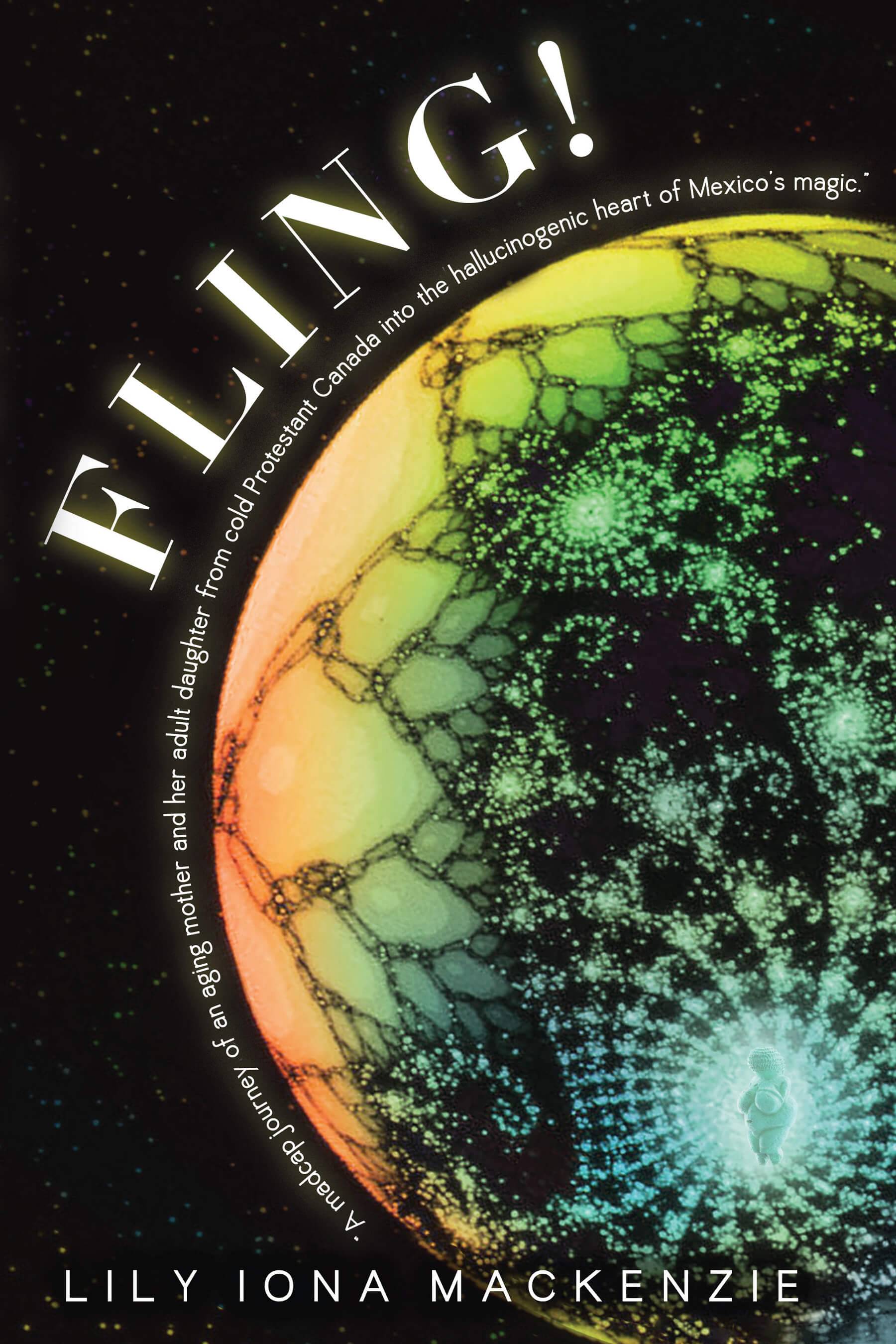
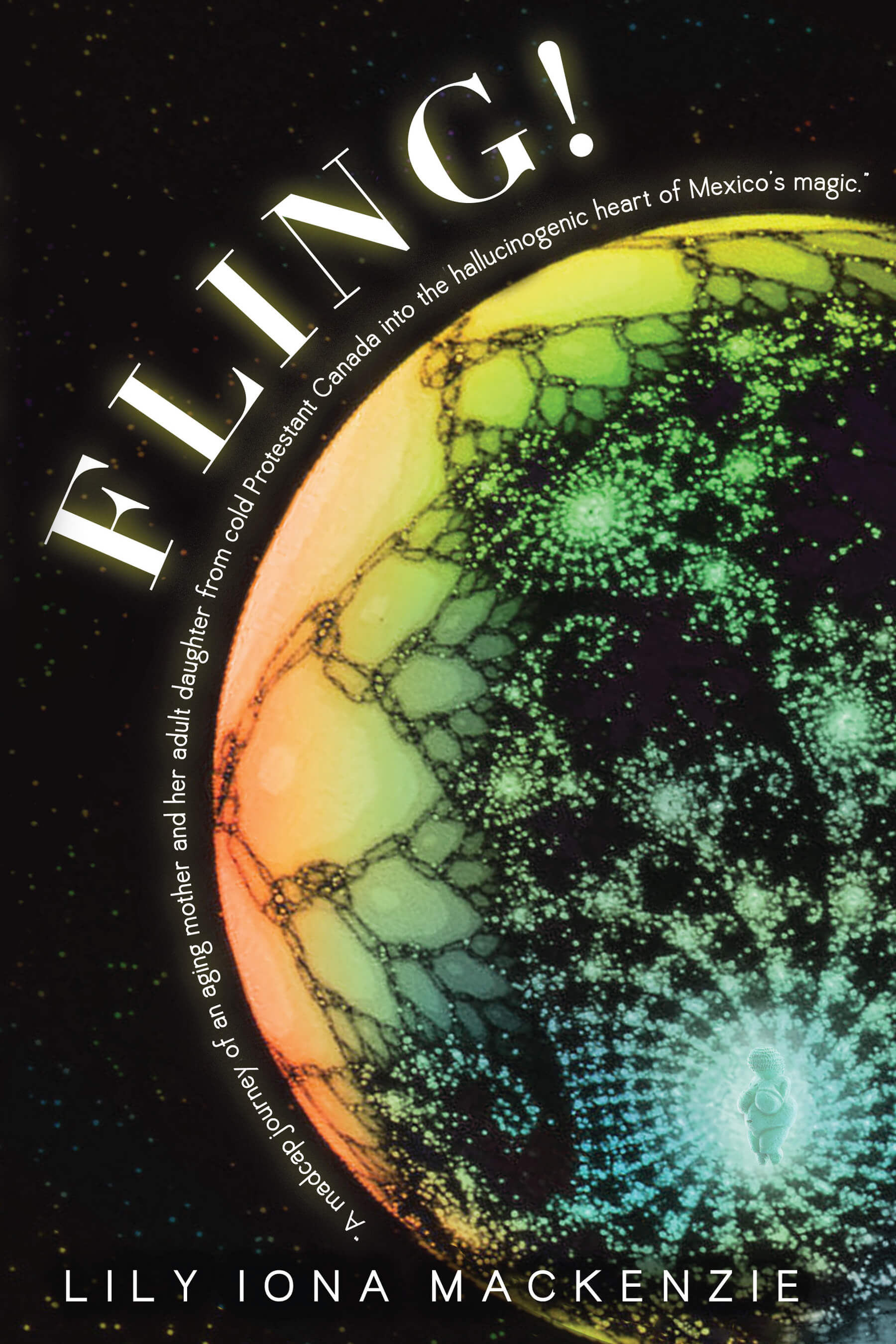
"Fling! is both hilarious and touching. Every page is a surprise, and the characters! I especially loved Bubbles, one of the most endearing mothers in recent fiction. A scintillating read."
" A wildly inventive, consistently engaging, and amusing comic novel, but under its bright exterior lurk darker undertones and truths.... "
" A wildly inventive, consistently engaging, and amusing comic novel, but under its bright exterior lurk darker undertones and truths.... "
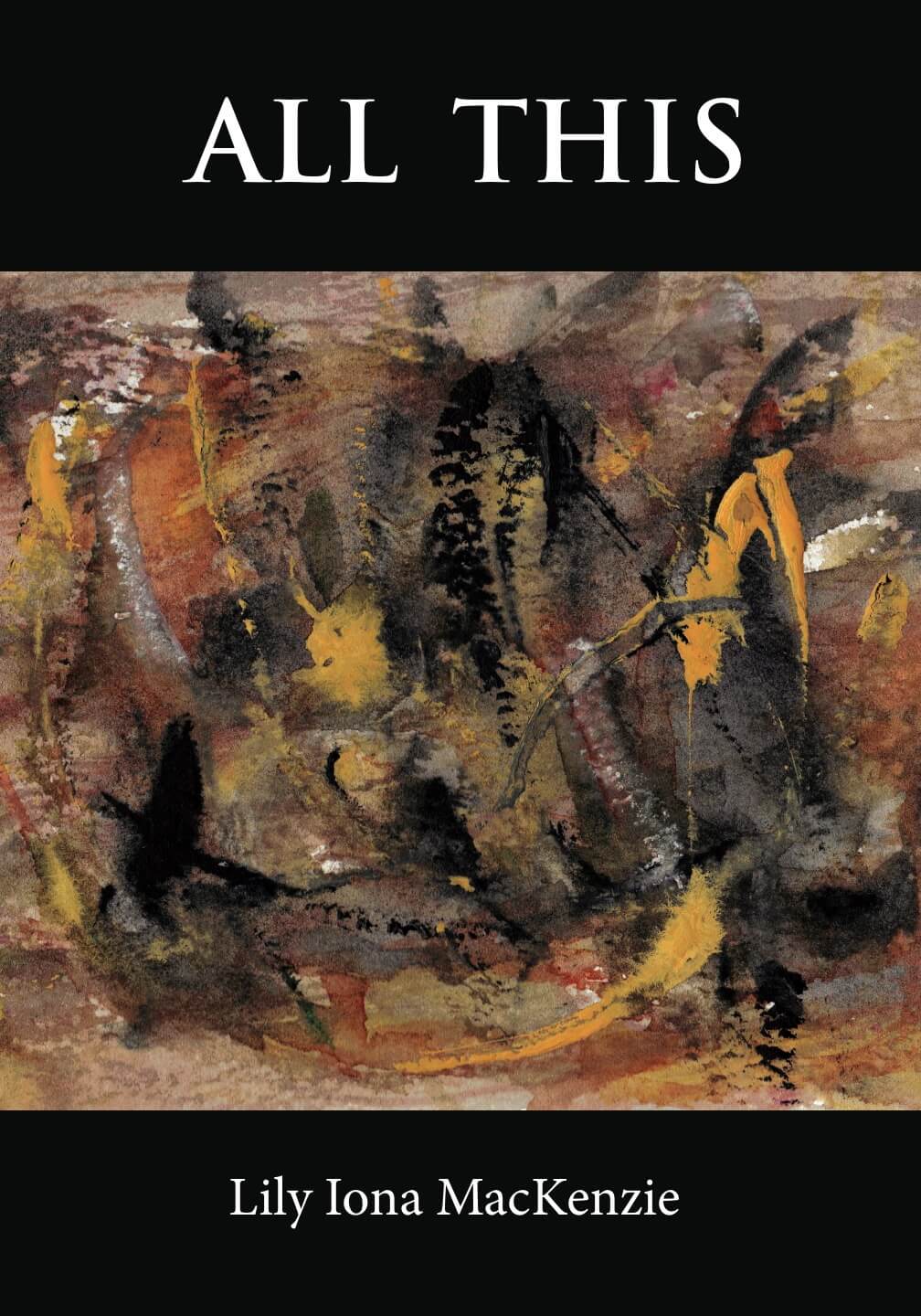
" Indicative of the title, the poems in All This range from the conventional lyric/narrative that captures an intense moment of emotion, an epiphany glimpsed briefly out of the corner of the eye, to the more experimental. "
" A wildly inventive, consistently engaging, and amusing comic novel, but under its bright exterior lurk darker undertones and truths.... "
" A wildly inventive, consistently engaging, and amusing comic novel, but under its bright exterior lurk darker undertones and truths.... "
Each finely crafted poem in this powerful collection comes alive on the page while she traces the days’ journeys with a painter’s eye, a musician’s ear, and the deft pen of a poet.
I’m grieving the loss of dictionaries, thick, massive volumes that I used to get lost in. I would open a page and find hundreds of words, all of them demanding my attention, each a miniature world to explore. But now I’ve become a victim of on-line lexicons because they are handier than putting aside my laptop computer and marching into the other room to unload the Oxford from a bookshelf where it resides. (more…)
Foghorns blast through the 7 AM San Francisco overcast. The only woman in the place, I saunter into the longshoreman’s union hall, trying to appear as if I did this every day. A few cigarette-scarred wooden tables offer a place for the men to gather and talk while waiting to be called to work. Billowing clouds of cigarette smoke hang ominously over everyone. (more…)
Like detectives, writers need to be constantly observant, picking up clues from what people are wearing, how they gesture, the words they speak, the way they interact with others. They study people’s facial expressions and what they might suggest about the person, storing away the data in their memory banks. Or they’ll take notes in a writer’s journal that they’ll refer to later. (more…)
Memoir writing blurs the line between truth and imagination in this revealing conversation with Lily Iona MacKenzie. We explore how creative writing techniques shape both fiction narrative and personal stories, as Lily explains her unique approach: “you lie in service of the truth.”
Yesterday, I had to kill time (terrible metaphor) while waiting to hear a friend of mine do a reading of his newly published memoir at a Corte Madera bookstore. So I hung out at Marin County’s Corte Madera Library. (more…)
For years I felt guilty about breaking the heirloom toys my stepfather’s mother had preserved, relics of another era. I can still remember the excitement of lifting each object out of the boxes where they had been stored and bringing them to life again: tiny china dishes with hand-painted flowers; a miniature stagecoach carrying riders and pulled by horses; dolls with porcelain faces and hands, features frozen in smiles, dressed in stylish Victorian gowns; a doll house with elegant furniture and a family. (more…)
How to keep the characters moving in my head and on the page
Elizabeth Winthrop Alsop (www.elizabethwinthropalsop.com) is the author of over 50 works of fiction for adults and children under the pen name Elizabeth Winthrop. These include the award-winning fantasy series, The Castle in the Attic and The Battle for the Castle as well as the short story, The Golden Darters, read on the nationwide radio program, Selected Shorts, and included in Best American Short Story anthology, and Island Justice and In My Mother’s House, two novels now available as eBooks. She is the daughter of the acclaimed journalist, Stewart Alsop. Daughter of Spies: Wartime Secrets, Family Lies, a family history about her parents’ love affair during World War II and their marriage lived in the spotlight of Washington during the 1950s was published by Regal House, October 25, 2022.
This post is from Elizabeth’s Substack January 25th newsletter,:
When I speak at writer’s conferences, I often get the same questions from beginning writers. Do you write with a pen or a computer? Do you write in a journal? Do you write at the same time every day? Where do you write? I know people in the audience are hoping to uncover some secret method, some trick I’ve discovered or invented that would unlock their unconscious so that the words flow and the characters dance off the page beckoning to them to follow.
Every writer be they published or just starting out would answer these questions in a different way. My writing day and schedule has changed over time, but I’ve discovered that committing to writing every day is the most important “trick.” So, for now, here’s my schedule. I wake up and play a number of word games to prime my brain. Then breakfast and a ten minute drawing practice with Wendy McNaughton to push me in different directions. Drawing helps me to see more clearly what is right in front of me and that can only help my descriptive powers.
Although I don’t live in a large apartment, I am lucky enough to have two separate spaces for my work life. The first, a desk 10 inches from my bed, is where I do the administrative work that a published writer must not neglect. It is here that I check royalty statements, answer appearance requests, develop marketing and publicity materials, read through contracts, answer emails from fans, my entertainment lawyer, my editors, etc. My second space is a 6 X 10 foot nook where I keep all my research books, art that inspires me, my journals and an extra card table to spread out file cards on characters, plot twists, settings. I try to keep that as my pure writing space.
My “pure” writing space..
The painting above my desk is of an island and I’ve written more than one book about islands. Part of the novel I’m working on is set on the Holy Island of Lindisfarne, a mystical place on the northeast coast of England that I’ve visited to do research. Beneath that, a picture of two characters who showed up in one of my books and who keep coming back. Upper right you’ll see a charcoal drawing of my father, a journalist and memoir writer, who was my first inspiration.
Stewart Alsop at an indeterminate age. Charcoal drawing by an unidentified artist found in our mother’s basement.
Upper left is a cartoon by James Stevenson, the celebrated New Yorker artist who was inspired by my father and uncle . The bookshelf holds my daily handwritten journals and books that inspire and instruct me. And yes, knitting supplies. I’ve found that when my fingers work the needles, my brain works on plot.
Lately I’ve been hearing the term, third space. First your home, then your work and one other. Since both my home and my office are under the same roof, I often go out to my favorite coffee shop which I call my third space. I put on noise deadening headphones, hook into my Gregorian Chant playlist (my current novel is set in the 14th century), write first in my journal and then turn to the half finished sentence, the last thing I wrote the day before. In that crowded, noisy place, my characters meet me and carry me away to their world.
This is the schedule and rhythm that works for me. What is yours?
Editing writing requires tremendous restraint. I was reminded of this recently when a poem I had submitted to an anthology was accepted providing I approved of the editor’s changes. I’m open to thoughtful revision suggestions—a text can always be improved—but I assume the recommendations will be just that, insightful observations that cause me to re-think my work. In that light, I can re-enter a poem or story and see if any of the ideas resonate enough for me to make changes. Yet since I’m the poem’s creator, I expect to revise it myself and have the last word on its content. (more…)
I’ve been thinking about how loosely we use abstract words like love, happiness, and truth as if they had concrete, observable meaning. I tend to revolt from using love to close my email or other exchanges unless I really feel love for the person I’m corresponding with. It bothers me when people sign their correspondence “love” without considering whether or not the emotion really applies to the recipient. Maybe you feel loving towards someone on most days, but not every day. Isn’t it deceitful to say “love” if you aren’t feeling it at the moment? Wouldn’t such a response seem confusing? It leads the reader to believe that the writer actually has such strong feelings, that somehow we’re part of the writer’s inner circle. Often that isn’t true. (more…)
Being a first-rate writer requires the same kind of training that an architect receives. A typical program includes courses in architectural history and theory, building design, construction methods, professional practice, math, physical sciences, and liberal arts. Writers may not need to study math or the physical sciences, but they do need to give themselves the best liberal arts education they can find, both formal and informal. And like architects, in order to be successful in their field, writers need not only vision and a rich imagination but also a strong foundation. (more…)
Thank you, Zackary Vernon, for taking the time to share your professional writing journey with me and my readers.
Where did your characters come from for your debut YA novel Our Bodies Electric?
Our Bodies Electricis set in my hometown of Pawleys Island, South Carolina, during the early to mid 1990s. It’s a southern coming-of-age story about a teenager named Josh who struggles against the pressure to conform to social conventions placed on him by his religious family and community, particularly as he enters his teenage years and tries to understand his body and sexuality. Josh hangs out with a bunch of misfit teenagers who get up to all kinds of hijinks, but they also help each other through this period of rapid change and development.
Until recently, if I had wanted a restful getaway, I would not have chosen San Francisco or any big city. Getting away meant heading out of town, usually for a coastal inn. I wanted the leisurely pace and ocean views of Mendocino, Pacific Grove, Carmel, or Big Sur. (more…)
Onyx wind chimes shaped like birds hang outside my bedroom. Each time a breeze stirs them, their music reminds me of the first trip I took to Mexico. While there, I was hoping to discover a part of the country that photographs can’t capture—the spirit of the place. Lawrence Durrell claims that landscape communicates this aspect. He says, “All landscapes ask the same question in the same whisper, ‘I am watching you—are you watching yourself in me’?” (more…)
I recently reread Henry James’ The Portrait of a Lady and have mixed feelings about the era and the characters. It’s difficult to read about Victorian morés from a 21st Century perspective. Not only do I need lenses that will give me a bi-cultural perspective, but I also feel squashed between a culture clash. Not long after I finished with Portrait, I read a review of A. M. Homes’ book May We Be Forgiven in The New York Review of Books. One of her main characters says, (more…)
I’m remembering a fascinating article I read in the New York Review of Books some time ago about Joseph Cornell. In many ways, he feels like my spiritual father. I love his quirkiness, his living on the periphery, his unique vision. Reading about him makes me want to go out and haunt junk shops for interesting memorabilia to make things with, to start a collection that I can draw from. I had an image of turning an old radio into a kind of Cornell box. (more…)
During a visit to Calgary, Canada, the city where I grew up, I conducted a workshop at the event “When Words Collide.” It was entitled “The Origins of Fiction: A Personal Odyssey.” Preparing for the occasion had me thinking about narrative seeds, especially mine. What starts me on these explorations of others’ lives? (more…)
I’ve been thinking about names and how they inform our lives. When we’re born, our parents select our name that starts us on a journey. It might have some mythical weight to it, like Adam or Naomi. In that case, we’re already embedded in an archetypal story. The Biblical Adam makes me think of a male archetype, one who is grounded in masculine stereotypes of responsibility and obedience. With Naomi, there is another Biblical connection. A woman whose life is filled with strife, she is fortified by Ruth, her daughter-in-law. (more…)
The word magic gets thrown around loosely and can have many different meanings, depending on the context. For a child, the world must seem forever magical as s/he explores and constantly makes new discoveries. Even for adults who have retained their childlike enthusiasm for life this state still exists. Seeing sunrises or sunsets that astound viewers with color variations is just one example, but so, too, is the miracle of tiny, dried-out seeds eventually producing plants that can nourish us. Those who have done a little gardening know how magical this process can be.
Blogging has become a major part of my writing process. Each Monday, I publish a new blog post that is related in some way to reading and writing. Today’s is no exception, but it’s about the process of creating a new blog.
Since 2009, I have taken advantage of WordPress.com’s free blog templates and platform. Until recently, I felt satisfied with the one I had been using from the beginning. I also appreciated not paying a monthly/yearly fee for using it. A newbie to creating a blog, I needed something simple so I could teach myself how to set up a blog, and WordPress offers online guidelines for how to do so. Over the years, I became somewhat adept at publishing my posts and keeping my pages updated.
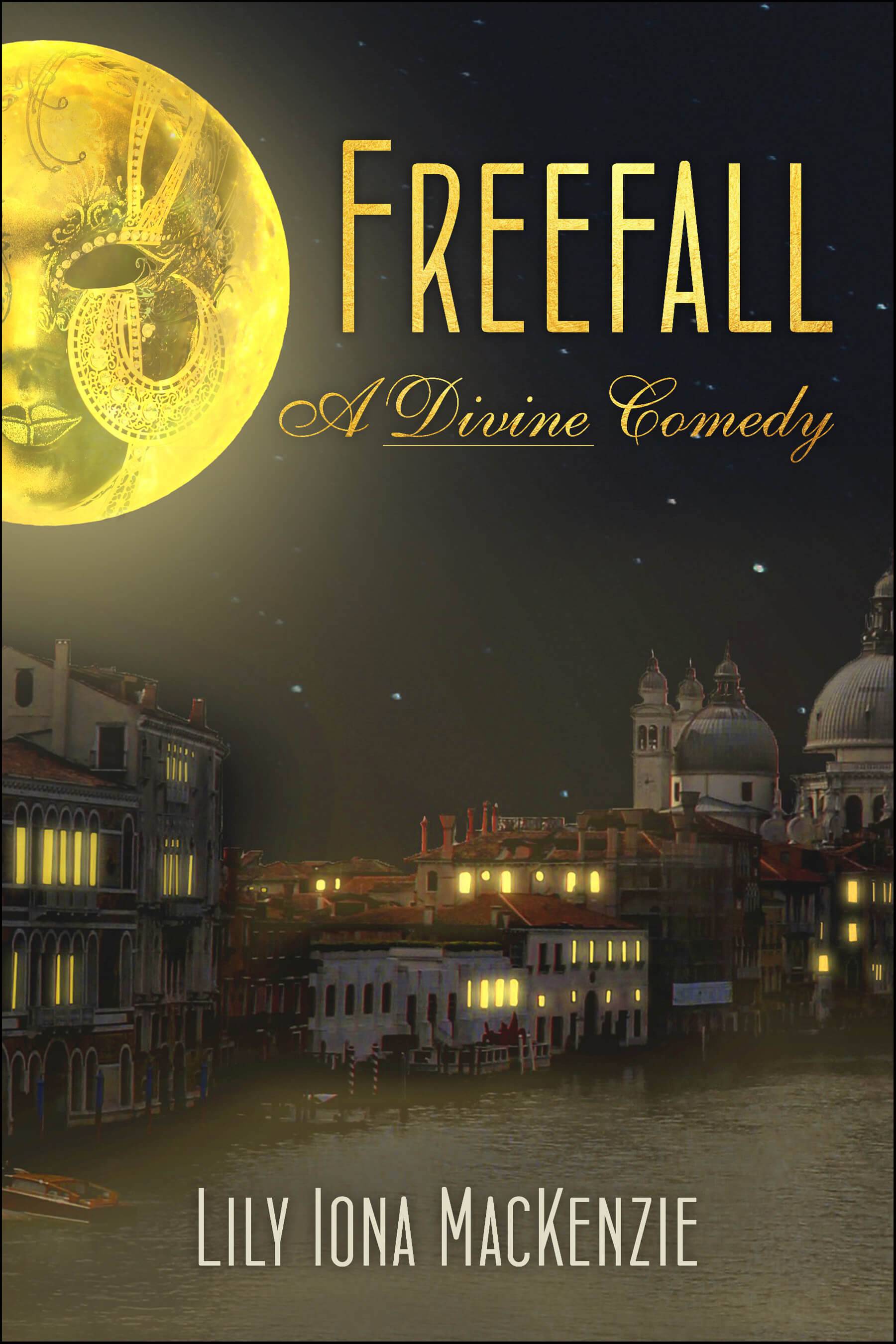
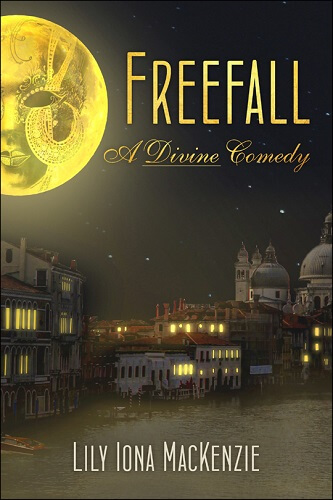
But now that I have a fourth book (a novel, Freefall: A Divine Comedy) coming out on August 1, 2018, I want a more professional looking site.
When I couldn’t find a free template on WordPress that would give me the kind of author platform I need, I searched for literary blog templates. That took me outside of the free WordPress world and into a whole new range of options where I fell in love with what is now my new theme. And, yes, the theme’s name is “Literary.” It was designed with writers in mind, and I love the way it displays published books on its pages. Do take a look!
Unfortunately, I not only had to pay for this template, but I also had to upgrade my WordPress.com account to the business plan. Otherwise, I couldn’t have used this more advanced theme. Since the business plan offers continuing support from “happiness engineers” (and they really do bring happiness to novices like myself who are fumbling around in this world of codes and obscure language), as well as access to excellent plugins such as Yoast SEO, Google Analytics, Page Builder, and so much more, including ways to sell your books directly on your site, it’s well worth the expense. And it’s a tax write-off.
So while my approach ended up costing me more than I had anticipated ($300 per year for the business plan plus around $60 for the new theme), I not only have my own easily remembered domain name now (lilyionamackenzie.com), but I also have a site I can constantly improve as I grow more familiar with all of its possibilities, including sliding images, videos, and other tantalizing prospects.
I would love to hear from other bloggers about their experiences in setting up a blog and your response to my new format!






 I’m grieving the loss of dictionaries, thick, massive volumes that I used to get lost in. I would open a page and find hundreds of words, all of them demanding my attention, each a miniature world to explore. But now I’ve become a victim of on-line lexicons because they are handier than putting aside my laptop computer and marching into the other room to unload the Oxford from a bookshelf where it resides. (more…)
 Foghorns blast through the 7 AM San Francisco overcast. The only woman in the place, I saunter into the longshoreman’s union hall, trying to appear as if I did this every day. A few cigarette-scarred wooden tables offer a place for the men to gather and talk while waiting to be called to work. Billowing clouds of cigarette smoke hang ominously over everyone.
  Like detectives, writers need to be constantly observant, picking up clues from what people are wearing, how they gesture, the words they speak, the way they interact with others. They study people’s facial expressions and what they might suggest about the person, storing away the data in their memory banks. Or they’ll take notes in a writer’s journal that they’ll refer to later.
  Memoir writing blurs the line between truth and imagination in this revealing conversation with Lily Iona MacKenzie. We explore how creative writing techniques shape both fiction narrative and personal stories, as Lily explains her unique approach: “you lie in service of the truth.”
 Yesterday, I had to kill time (terrible metaphor) while waiting to hear a friend of mine do a reading of his newly published memoir at a Corte Madera bookstore. So I hung out at Marin County’s Corte Madera Library.
  For years I felt guilty about breaking the heirloom toys my stepfather’s mother had preserved, relics of another era. I can still remember the excitement of lifting each object out of the boxes where they had been stored and bringing them to life again: tiny china dishes with hand-painted flowers; a miniature stagecoach carrying riders and pulled by horses; dolls with porcelain faces and hands, features frozen in smiles, dressed in stylish Victorian gowns; a doll house with elegant furniture and a family.


 Editing writing requires tremendous restraint. I was reminded of this recently when a poem I had submitted to an anthology was accepted providing I approved of the editor’s changes. I’m open to thoughtful revision suggestions—a text can always be improved—but I assume the recommendations will be just that, insightful observations that cause me to re-think my work. In that light, I can re-enter a poem or story and see if any of the ideas resonate enough for me to make changes. Yet since I’m the poem’s creator, I expect to revise it myself and have the last word on its content.
  I’ve been thinking about how loosely we use abstract words like love, happiness, and truth as if they had concrete, observable meaning. I tend to revolt from using love to close my email or other exchanges unless I really feel love for the person I’m corresponding with. It bothers me when people sign their correspondence “love” without considering whether or not the emotion really applies to the recipient. Maybe you feel loving towards someone on most days, but not every day. Isn’t it deceitful to say “love” if you aren’t feeling it at the moment? Wouldn’t such a response seem confusing? It leads the reader to believe that the writer actually has such strong feelings, that somehow we’re part of the writer’s inner circle. Often that isn’t true.
  Being a first-rate writer requires the same kind of training that an architect receives. A typical program includes courses in architectural history and theory, building design, construction methods, professional practice, math, physical sciences, and liberal arts. Writers may not need to study math or the physical sciences, but they do need to give themselves the best liberal arts education they can find, both formal and informal. And like architects, in order to be successful in their field, writers need not only vision and a rich imagination but also a strong foundation.
  Thank you, Zackary Vernon, for taking the time to share your professional writing journey with me and my readers.
  Being part of an on-line writing group for several years has provided many benefits. But with the positives come a few negatives.
 Until recently, if I had wanted a restful getaway, I would not have chosen San Francisco or any big city. Getting away meant heading out of town, usually for a coastal inn. I wanted the leisurely pace and ocean views of Mendocino, Pacific Grove, Carmel, or Big Sur.
  Onyx wind chimes shaped like birds hang outside my bedroom. Each time a breeze stirs them, their music reminds me of the first trip I took to Mexico. While there, I was hoping to discover a part of the country that photographs can’t capture—the spirit of the place. Lawrence Durrell claims that landscape communicates this aspect. He says, “All landscapes ask the same question in the same whisper, ‘I am watching you—are you watching yourself in me’?”
  I recently reread Henry James’ The Portrait of a Lady and have mixed feelings about the era and the characters. It’s difficult to read about Victorian morés from a 21st Century perspective. Not only do I need lenses that will give me a bi-cultural perspective, but I also feel squashed between a culture clash. Not long after I finished with Portrait, I read a review of A. M. Homes’ book May We Be Forgiven in The New York Review of Books. One of her main characters says,
  I’m remembering a fascinating article I read in the New York Review of Books some time ago about Joseph Cornell. In many ways, he feels like my spiritual father. I love his quirkiness, his living on the periphery, his unique vision. Reading about him makes me want to go out and haunt junk shops for interesting memorabilia to make things with, to start a collection that I can draw from. I had an image of turning an old radio into a kind of Cornell box.
  During a visit to Calgary, Canada, the city where I grew up, I conducted a workshop at the event “When Words Collide.” It was entitled “The Origins of Fiction: A Personal Odyssey.” Preparing for the occasion had me thinking about narrative seeds, especially mine. What starts me on these explorations of others’ lives? (more…)
 I’ve been thinking about names and how they inform our lives. When we’re born, our parents select our name that starts us on a journey. It might have some mythical weight to it, like Adam or Naomi. In that case, we’re already embedded in an archetypal story. The Biblical Adam makes me think of a male archetype, one who is grounded in masculine stereotypes of responsibility and obedience. With Naomi, there is another Biblical connection. A woman whose life is filled with strife, she is fortified by Ruth, her daughter-in-law.
  The word magic gets thrown around loosely and can have many different meanings, depending on the context. For a child, the world must seem forever magical as s/he explores and constantly makes new discoveries. Even for adults who have retained their childlike enthusiasm for life this state still exists. Seeing sunrises or sunsets that astound viewers with color variations is just one example, but so, too, is the miracle of tiny, dried-out seeds eventually producing plants that can nourish us. Those who have done a little gardening know how magical this process can be.
 Blogging has become a major part of my writing process. Each Monday, I publish a new blog post that is related in some way to reading and writing. Today’s is no exception, but it’s about the process of creating a new blog.