 Writing a novel is like riding an emotional roller coaster. So many ups and downs. In the beginning, you’re simply trying to create a world that a reader can enter. That means you need to develop believable characters, be they heros or villains, you need to set them in place and time so securely that your reader knows where she stands, and then you need to let those imagined creatures lead you forward. At least, as I’ve written before, that’s the way I do it. In the beginning, as I’ve told students, it’s as if you’re making a snowball that will eventually become the base of a snowman.
Once it begins to form and hold together, you start to push that frozen ball up a snowy hill where every turn of the packed base makes it larger, heavier and more unwieldy, but it’s growing. At some point, you reach the top of the hill. Stop there and take a breath because, if all is going as it should, that’s where the story takes on a life of its own and soon you’ll be chasing it down the other side, writing as fast as you can to keep up with your fully developed characters and all they have to tell you.
One day, you realize you’re done. You’ve written, you’ve revised and if you’re like me, nobody’s read it but yourself.
Here I take another pause. I’ve spent lots of time in this world I’ve created. These characters have kept me company over weeks, months, years so this is my first stage of mourning. I miss my characters and the daily structure they’ve given me. I wander about aimlessly, pretending that the sweater I’m knitting or the photos I’m taking are fulfilling my creative urges. And then when what I call my “creative anxiety” builds to an unsustainable pitch, I send the manuscript out to my editors/readers.
No matter how many books I’ve written, I always imagine and hope that the one I’ve just finished is finally the perfect one, the book that doesn’t need one word changed. Despite having published dozens of novels that hasn’t happened yet, and in my saner moments, I know it never will. My smart readers let me know that there is still work to be done, so I plunge back in, dropping a scene here, adding another one there, changing the direction a character takes and the ensuing consequences. In one book, I had to change the entire manuscript from present to past tense which is the way it should have been written in the first place. I needed a smart editorial assistant to point that out to me and I’m grateful for her honesty.
When the revisions are done and the book has been copyedited, printed and put between two covers, I have another moment of sadness. This stage reminds me of leaving my child wailing at the door on his first day in preschool as I hurry off, trying not to look back.
Now there’s no way to protect this creation from the reviewers. She must make her own way. I’ve done all I can. However, I’ve proven to be a fickle creative parent. By the time that book is out in the world, I usually find I’m getting distracted by another idea, an island setting, an overheard tale or a wily trickster whispering in my creative ear.
If I’m lucky and the publisher has done its job, the book finds its readers and fans, it lands on bookstore shelves and in library nooks, and sometimes all the way into classrooms.
Often my book is translated, published in other countries, excerpted in anthologies. The sales are robust in the first years but usually dwindle slowly over time and one day in two years or ten or even twenty, I get the inevitable letter from the publisher informing me they are putting the book out of print.
Another moment of mourning. The little one I sent out has returned to me somewhat tattered and torn, but having lived a full life in the hands of readers who for a while entered the world I created. I order some last copies, revert the rights so that I hold them should another publisher show interest in reissuing the book, and I move on.
This is an especially poignant week for me because for the first time, I am the one reclaiming the rights of a book still in print. For now, The Castle in the Attic, my fantasy novel for middle grade readers will only be available in an audio version or in used bookstores, and libraries.
I wrote more about the reasons for my decision in my last post, A Big Announcement. Even though it is the right decision for the future of the franchise (a prequel is finished, the first sequel, The Battle for the Castle, is still in print, I’m working on the final sequel and a movie deal is in the works), I am sad at this pause in the 40-year publishing track record of my novel.
But a writer is never not writing. So I’m back on the roller coaster, one third of the way into the final sequel to The Castle in the Attic. The snowball is packed, heavy, unwieldy and I’m teetering on the crest of the hill. Wish me luck on the way down.
P.S. I’m always happy to hear from my readers in any form, but I’m especially grateful if you can write your comments in the Substack app, so that others can read them and respond.
Thanks for reading Table of Contents: 1. Writing 2. Publishing 3. Notes. Subscribe to receive new posts and support my work.


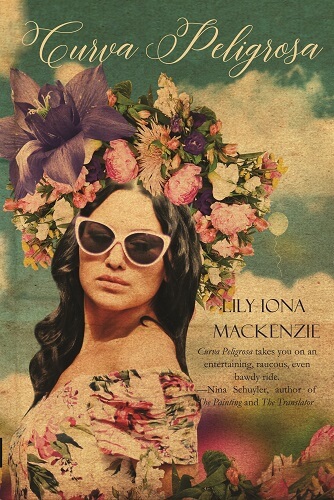
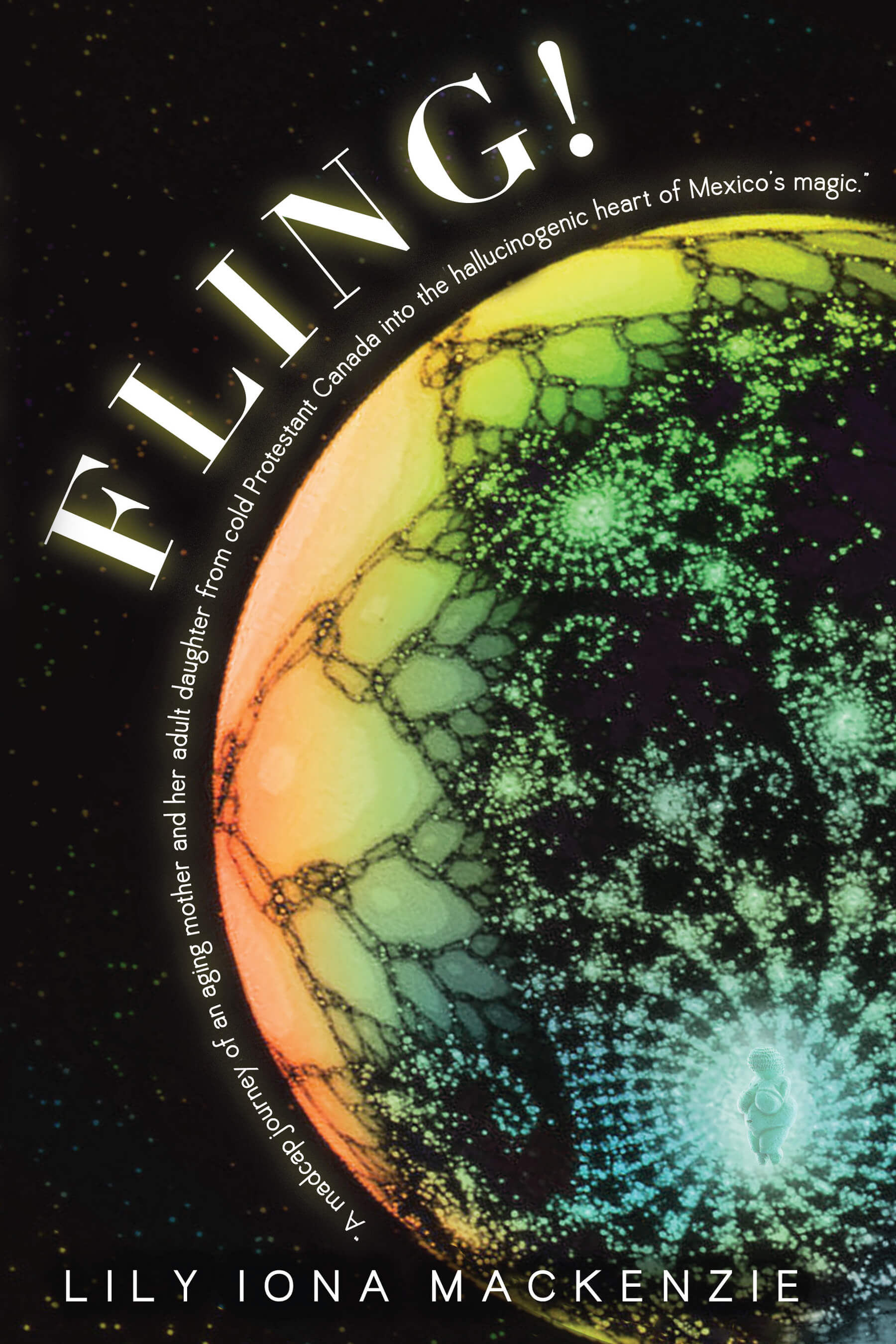
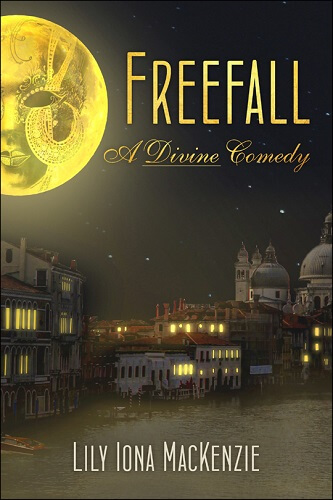
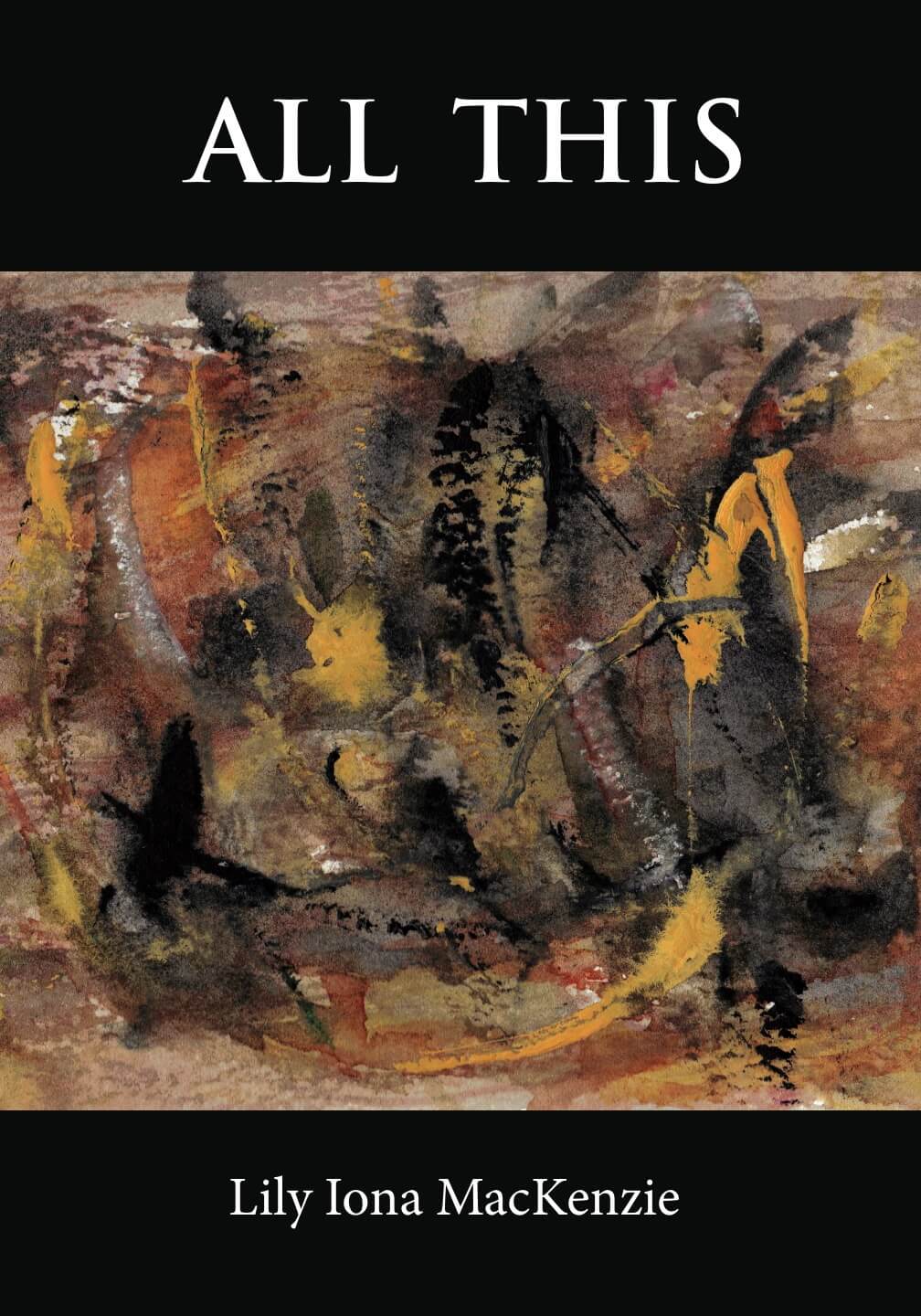


 I’m thinking this morning of when my husband and I returned from a couple of nights in Calistoga, a charming town in California’s Napa Valley. Yes, it has its share of upwardly mobile types who go there to visit the many wineries. But there also are others who need to be replenished by the pastoral setting and many opportunities to take walks in the surrounding hills. I need that uplift today.
  For everybody except those hiding under a rock, it’s impossible to avoid AI these days.
 I’m grateful to Al Sirois, a fellow Regal House author, for sharing with us his writing journey.
 Since my late 20s, I’ve recorded my dreams every morning, curious about the wonderful dramas that unfold each night in the subterranean depths. During a trip we took a while back to Osoyoos, B.C., I got a better understanding of dreams and the role they play in our lives.
 I recall returning home a while back after spending time at a recently built rental home on the Oxnard, California, beach. It had a wonderful view overlooking the harbor and ocean. You might think I would miss the incredible views and location, as well as the house, brimming with technological toys. But I didn’t. It was a relief to return to our simple Richmond abode, built in the 1940s.
  As a young woman in the 50s growing up in Canada, I was intrigued by hockey and football. Baseball didn’t exist for me then. It hadn’t entered Canadian consciousness, and it would take some years before it did. But I didn’t feel deprived. Hockey and football had much to offer at that time, including handsome, vigorous guys.
  Being part of an on-line writing group for several years provided me with many benefits. But the positives also produced a few negatives.
 I didn’t get to sleep till 1 AM this morning after reading a fascinating article about the assemblage artist Joseph Cornell. I’ve felt that in many ways, he’s my spiritual father. A-I describes his work as intricate “signature boxes, glass-fronted shadow boxes that serve as miniature, poetic theaters. Inside, he meticulously arranged collages and three-dimensional ‘found objects’—such as old maps, vintage photographs, watch parts, and marbles—to create dreamlike, nostalgic universes that celebrate memory, astronomy, and romantic cinema.”
  I’ve just finished rereading Henry James’ The Portrait of a Lady and have mixed feelings about the era and the characters. It’s difficult to read about Victorian morés from a 21st Century perspective. Not only do I need lenses that will give me a bi-cultural perspective, but I also feel squashed between a culture clash. Just after I finished with Portrait, I read a review of A. M. Homes’ book May We Be Forgiven in The New York Review of Books. One of her main characters says,
  In the SF Bay area, we’ve recently had unseasonably warm days, totally out of character for us at this time of year in San Francisco and the other nearby coastal regions. Most of us have been delighted to sit out in our yards at night and enjoy this new balmy climate. But then I read in the paper recently that the planet has been recording one of the hottest springs, reminding me that while I’m luxuriating in these above-average temperatures, the weather extremes are killing the planet. It’s a startling and disturbing statistic.


