Lily Iona MacKenzie's unbounded zest for life sings through the poems in this collection. A writer in her bones and a dreamer in her heart, she discovers the poetry in everything—travel, art, music, nature, past and present—her words and rhythms touch the soul and leave their treasures behind. “Listen closely to these poems’ quiet but insistent murmur.” (Kathleen McClung)
Lily Iona MacKenzie's unbounded zest for life sings through the poems in this collection. A writer in her bones and a dreamer in her heart, she discovers the poetry in everything—travel, art, music, nature, past and present—her words and rhythms touch the soul and leave their treasures behind. “Listen closely to these poems’ quiet but insistent murmur.” (Kathleen McClung)
Lily Iona MacKenzie's unbounded zest for life sings through the poems in this collection. A writer in her bones and a dreamer in her heart, she discovers the poetry in everything—travel, art, music, nature, past and present—her words and rhythms touch the soul and leave their treasures behind.
“Listen closely to these poems’ quiet but insistent murmur. ” - (Kathleen McClung)
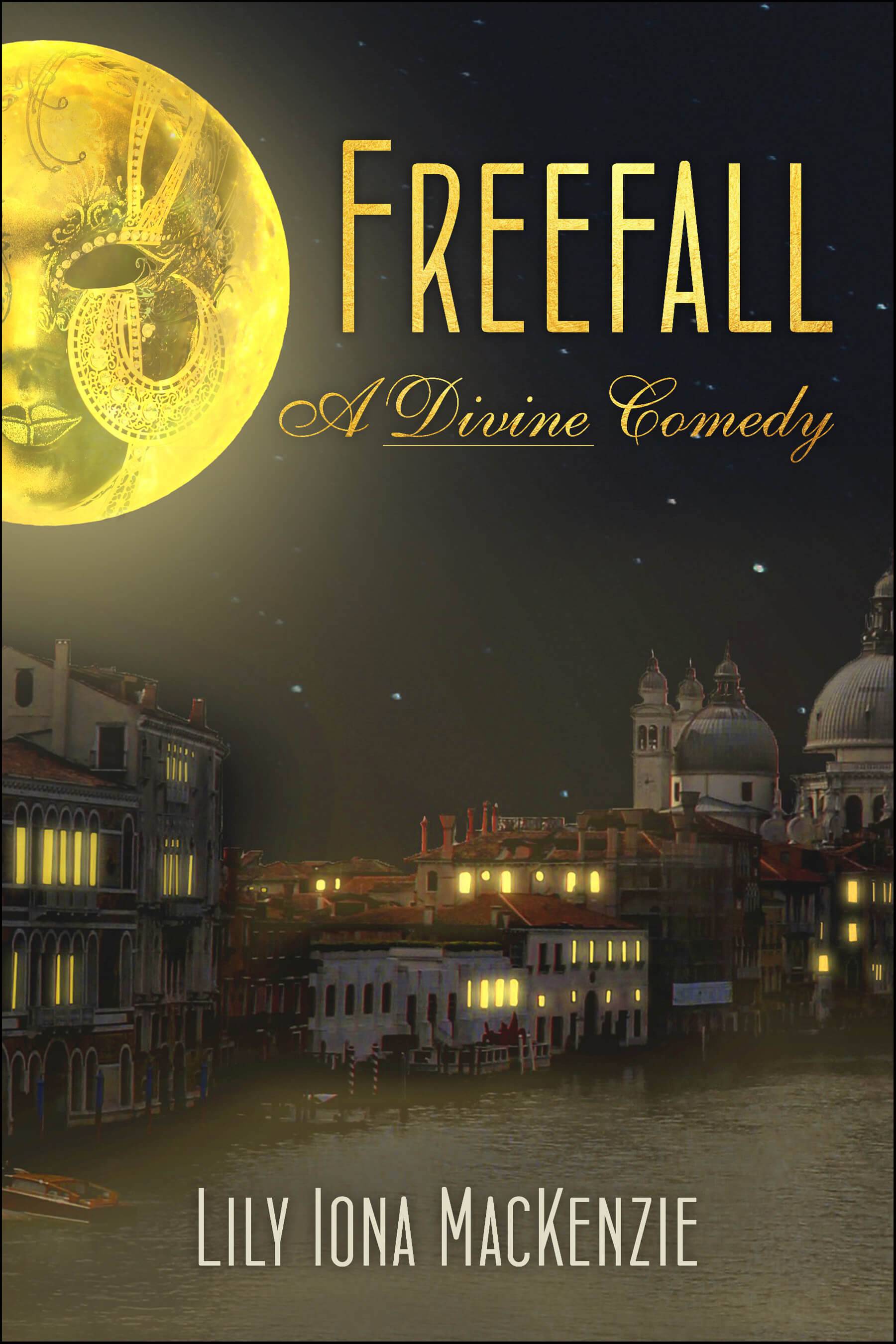
" A wildly inventive, consistently engaging, and amusing comic novel, but under its bright exterior lurk darker undertones and truths.... "
" A wildly inventive, consistently engaging, and amusing comic novel, but under its bright exterior lurk darker undertones and truths.... "
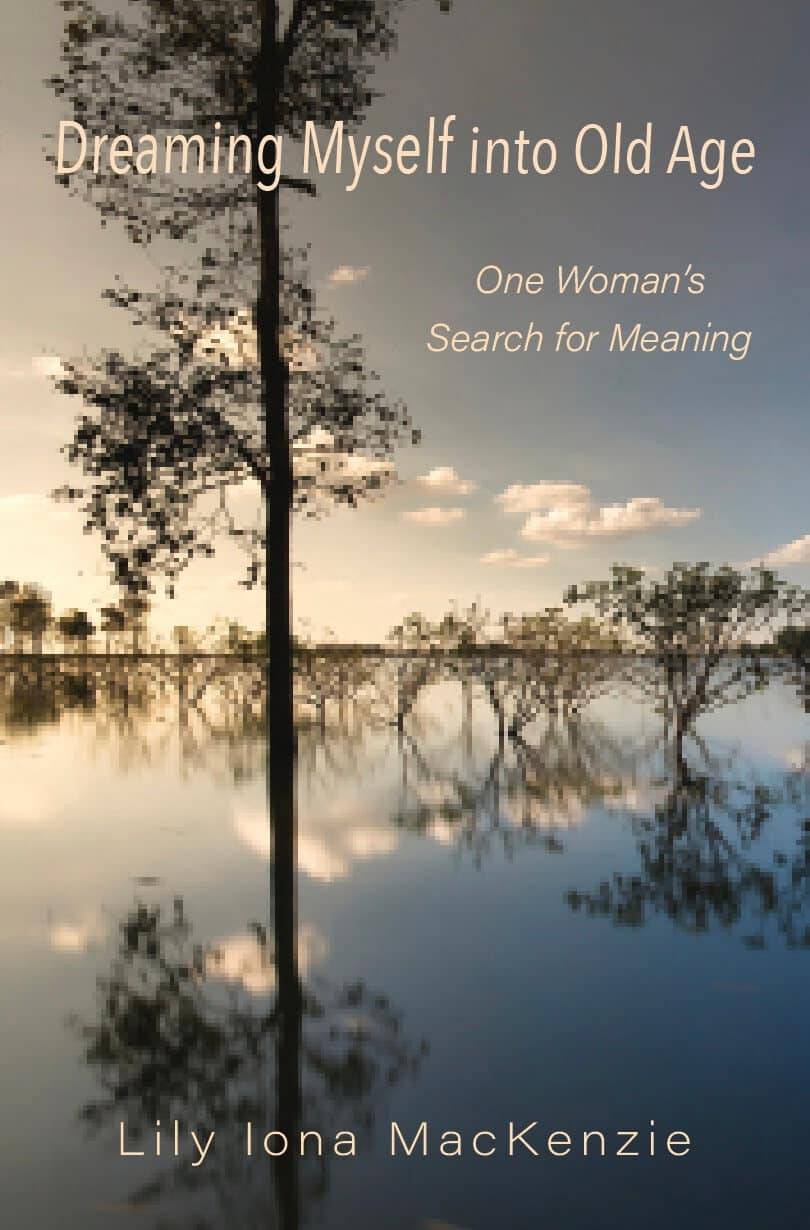
Now in her eighties, Lily Iona MacKenzie is challenged with facing old age and all that comes with it. Determined to age gracefully and thoughtfully, she recognizes that working with one's inner life and one's dreams are keys to understanding the changes that come with aging.
Dreaming Myself into Old Age is a memoir set within the lifelong process of self-discovery and the boundless adventure that is life.
" A wildly inventive, consistently engaging, and amusing comic novel, but under its bright exterior lurk darker undertones and truths.... "
" A wildly inventive, consistently engaging, and amusing comic novel, but under its bright exterior lurk darker undertones and truths.... "
" Tillie’s grit and ability to face life’s challenges are inspiring, the seeds for later discovering her artist self. Tillie takes readers on a wild ride. Join her if you dare! "
" A wildly inventive, consistently engaging, and amusing comic novel, but under its bright exterior lurk darker undertones and truths.... "
" A wildly inventive, consistently engaging, and amusing comic novel, but under its bright exterior lurk darker undertones and truths.... "
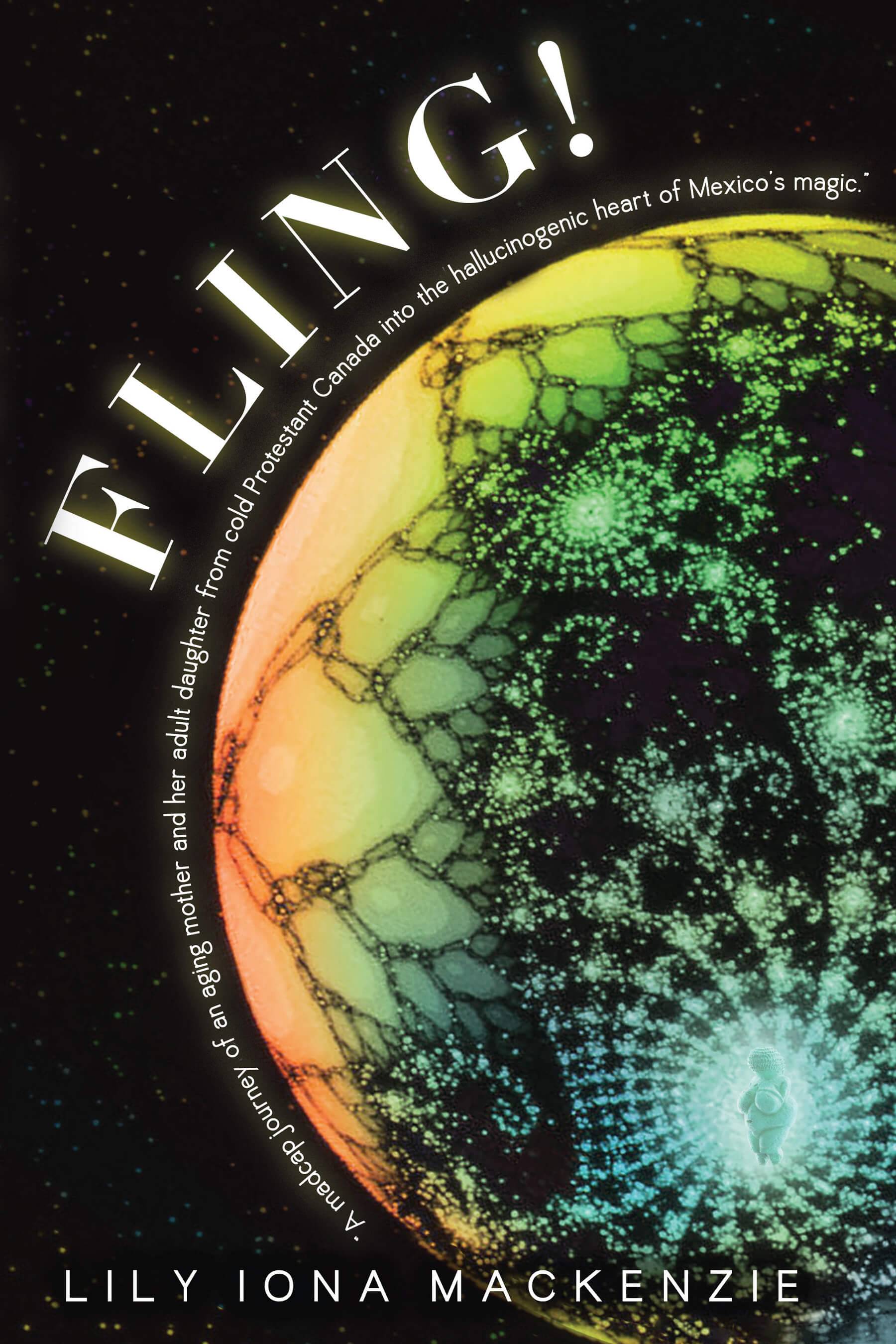
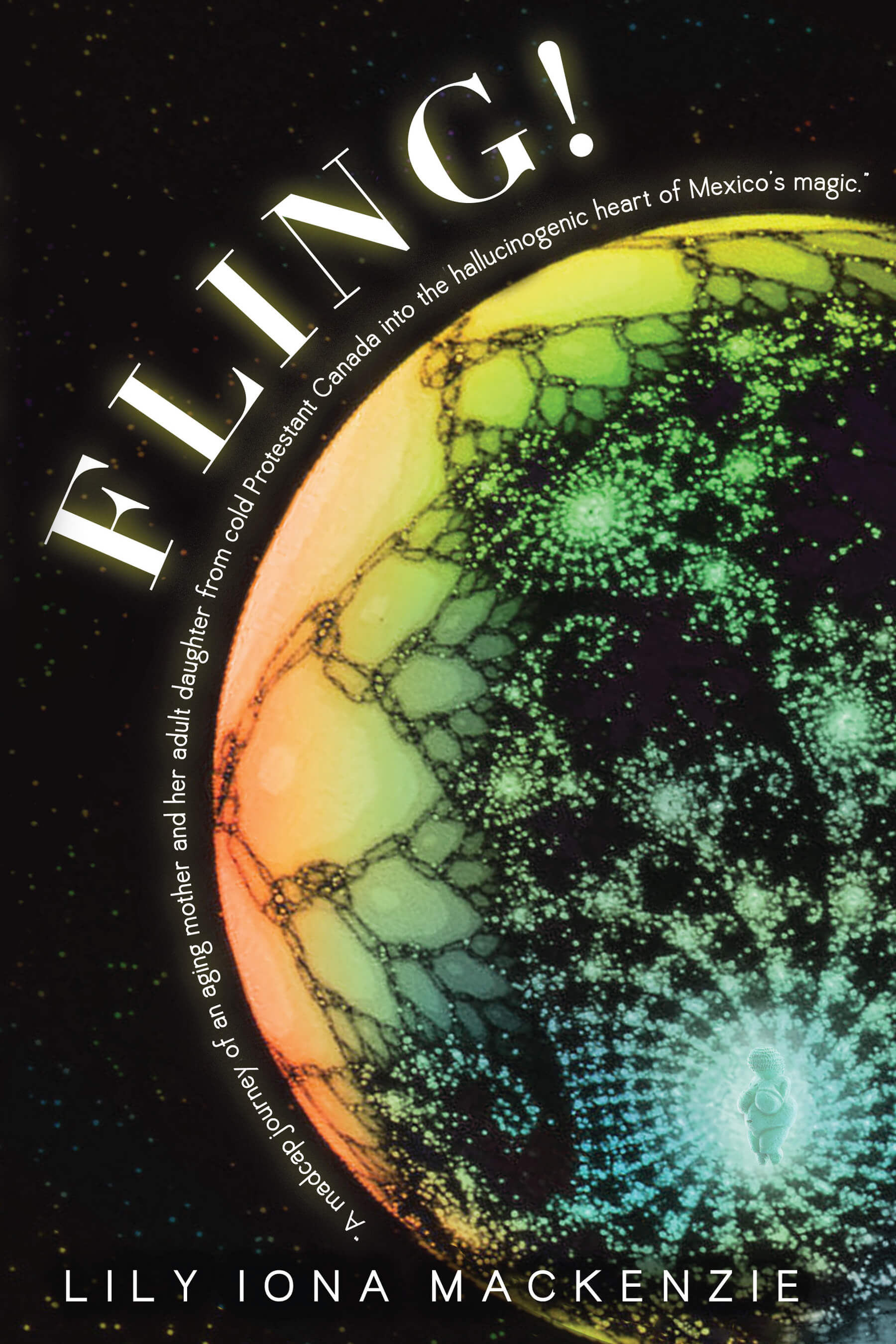
"Fling! is both hilarious and touching. Every page is a surprise, and the characters! I especially loved Bubbles, one of the most endearing mothers in recent fiction. A scintillating read."
" A wildly inventive, consistently engaging, and amusing comic novel, but under its bright exterior lurk darker undertones and truths.... "
" A wildly inventive, consistently engaging, and amusing comic novel, but under its bright exterior lurk darker undertones and truths.... "
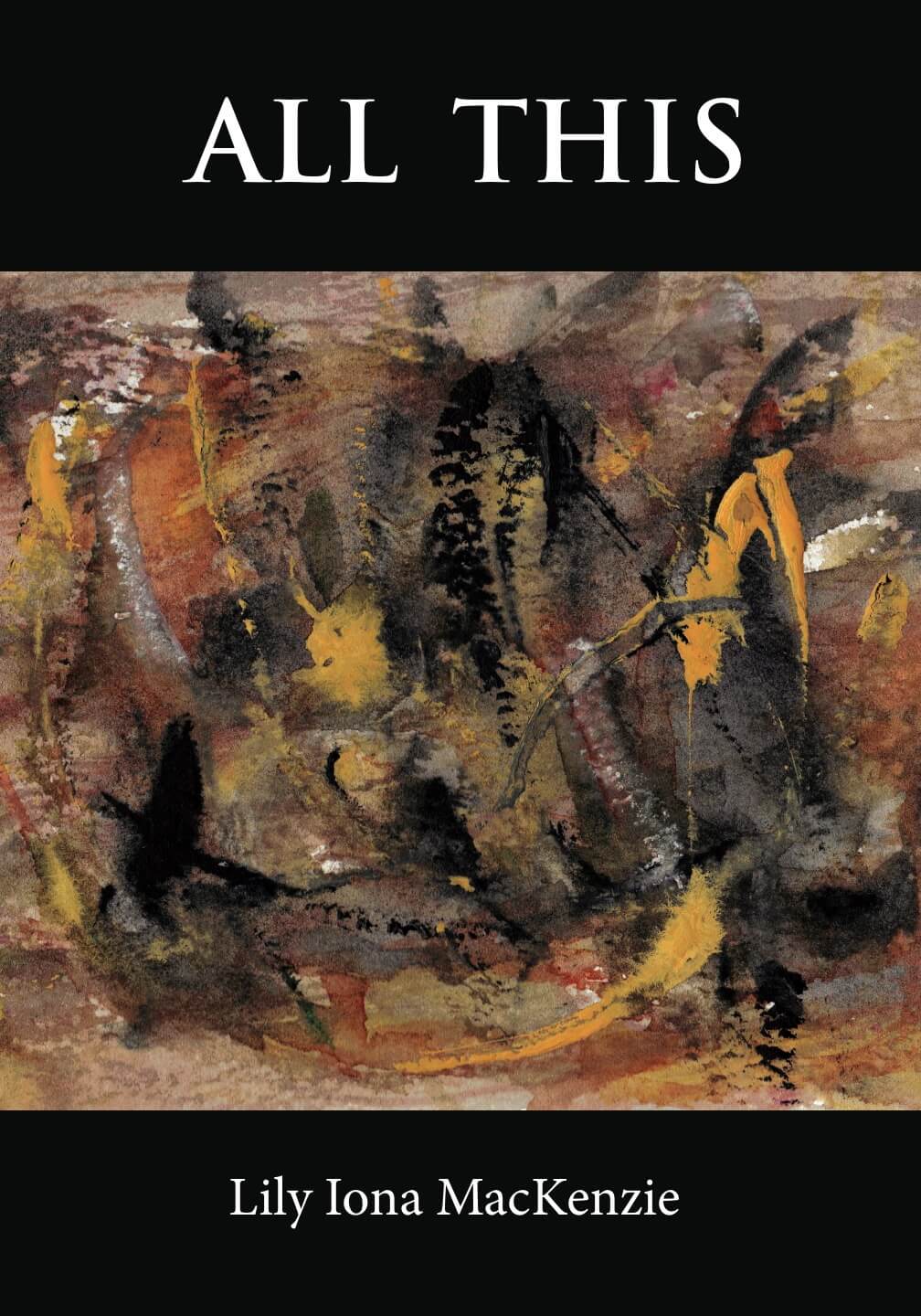
" Indicative of the title, the poems in All This range from the conventional lyric/narrative that captures an intense moment of emotion, an epiphany glimpsed briefly out of the corner of the eye, to the more experimental. "
" A wildly inventive, consistently engaging, and amusing comic novel, but under its bright exterior lurk darker undertones and truths.... "
" A wildly inventive, consistently engaging, and amusing comic novel, but under its bright exterior lurk darker undertones and truths.... "
Each finely crafted poem in this powerful collection comes alive on the page while she traces the days’ journeys with a painter’s eye, a musician’s ear, and the deft pen of a poet.
I’ve been thinking how writers are like detectives. Constantly observant, they pick up clues from what people are wearing, how they gesture, the words they speak, the way they interact with others. They study others’ facial expressions and what they suggest, storing away the data in their memory banks or taking notes in a writer’s journal that they’ll refer to later. (more…)
As I wrote in my last post, AI is extremely chatty. Any writer who’s received one of those spam messages urging you to connect with a famous author or get a book promotion package you never requested, will see that the fulsome praise of your work can take an entire page not to mention minutes of your precious time. Recently, I got an invitation from an AI generated scam focused on editing my published picture book Lucy and Henry Are Twins. The scam email is 144 words longer than the entire text of the book including the title. (How and why I would want to edit a published book is a mystery to me.)
Original art by Jane Massey
I have been publishing traditionally for (eek) fifty years and through all those decades, I have been both challenged and supported by dedicated editors who love stories and readers, and who have spent their lives making good books better.
Margery knows all my quirks and with great patience, she points them out to me every time. She and I both prefer the penciled line edit to a digital program, so here is a sample of one of the more lightly touched pages.
I use the words just and even too often. I repeat words usually in the same paragraph and occasionally, in the same sentence. She cuts my unnecessary explanations, my long descriptive passages, and urges me to replace pronouns with the characters’ names. She is alert to my continuity issues. (Ex. See p. 88, line 8. William knows that Tolliver is not around.)
But more than that, she is attuned to what I’m trying to achieve in the story and how best to help me realize it. As every good editor knows, the way to get a writer back to the page with a sense of energy and excitement is first and foremost to tell them what they are doing right, what in the manuscript is working. I happen to love the revision process because I know it’s my opportunity to get closer to my original vision for the book. Once I’ve taken the time to absorb what she is saying, Margery’s editorial letters always send me back to page one with enthusiasm.
Every experienced writer knows that we are our own worst editors. We fall in love with our characters, our settings, our descriptions and when we type THE END on the bottom of the page/screen, there is a feeling of such joy and achievement that we have little objectivity left. That’s why I try to take weeks if not months away from the book to let it rest. With time off and the help of an editor like Margery, I’m able to see my work more clearly and cut more drastically so that the story moves as swiftly as it needs to do in this age of short attention spans.
Will AI replace the human editor? Many feel it already has, but I’m not one of them. AI is a mathematical tool without conscious awareness, an inner life or lived experience. Those are the qualities I look for in the editor casting her eye and wielding her pencil over my hard won words.
Meet Karen Garloch, a first-time author and an award-winning journalist. She worked at newspapers in Ohio for fourteen years before moving to the Charlotte Observer in 1987. She spent thirty years at the Observer as the
French Lick portrait
health reporter and was a finalist for the 2013 Pulitzer Prize in Local Reporting. After retirement, she wrote the novel Stray Voltage, which won the 2024 Petrichor Prize for Finely Crafted Fiction from Regal House Publishing. A native of Jackson County, Garloch is a graduate of Brownstown Central High School and Ball State University, where she is a member of the Journalism Hall of Fame. She and her husband, Larry, live in Charlotte, N.C.
I’m thinking this morning of when my husband and I returned from a couple of nights in Calistoga, a charming town in California’s Napa Valley. Yes, it has its share of upwardly mobile types who go there to visit the many wineries. But there also are others who need to be replenished by the pastoral setting and many opportunities to take walks in the surrounding hills. I need that uplift today. (more…)
For everybody except those hiding under a rock, it’s impossible to avoid AI these days. As I wrote recently, my first job in the morning entails clearing my inbox of a number of AI generated “offers” to promote my work, host me on a podcast, connect to me as a fellow writer (imagine Stephen King, Garrison Keillor or Frederik Backman reaching out to little old me), sponsor me at a book festival, feature me on book clubs with names like Boozy Book Club, Books Before Breakast and Women Love Books, etc. etc. All of these are written by AI and sent out to eager writers around the world in an effort to get them to pay for these fake services. Because I’ve published over sixty books for readers of all ages, I get more than my share of them. (more…)
I write historical fiction based on real people, typically people forgotten by history. I’ve discovered these people by mining a variety of sources, including historical societies, genealogy records, biographies, and nonfiction books about interesting times and people. I’m always on the lookout for people who would lend themselves to a good story, and my six published novels showcase a varied cast of characters, including a woman who was a model for Coco Chanel and then became a spy for the Allies during World War II (The Model Spy); a young couple on a headline-grabbing crime spree in 1920s Brooklyn (Gun Girl and the Tall Guy); and a spiritualist who tangled with Harry Houdini (Margery and Me).
On July 4th, 2026, the 250th anniversary of the founding of our country, the Theodore Roosevelt Library will open in Medora, North Dakota. Although I can’t be there in person, I will be there in spirit as it’s the best way I can imagine to celebrate all about my country that I love. (more…)
Michael Loyd Gray is the author of ten published books of fiction and more than sixty published short stories. His story collection, The Space Between Now and Then, was released in May 2026 by Silent Clamor. His novel The Writer in Residence was released in April 2026. Regal House will release his novel Emperor of the Mundane in 2027. Gray is the winner of the 2008 Sol Books Prose Series Prize, the 2005 Alligator Juniper Fiction Prize, the 2005 Writers Place Award for Fiction, and a fiction support grant from the Elizabeth George Foundation. He earned a MFA from Western Michigan University, where he was a Phi Kappa Phi National Honor Society Scholar, and a bachelor’s degree from the University of Illinois. Gray lives in Kalamazoo, Michigan, with three cats and a lot of electric guitars. (more…)
Since my late 20s, I’ve recorded my dreams every morning, curious about the wonderful dramas that unfold each night in the subterranean depths. During a trip we took a while back to Osoyoos, B.C., I got a better understanding of dreams and the role they play in our lives. (more…)
I’ve been thinking recently how writers are like detectives. They constantly need to be observant, picking up clues from what people are wearing, how they gesture, the words they speak, the way they interact with others. They study others’ facial expressions and what they suggest, storing away the data in their memory banks or taking notes in a writer’s journal that they’ll refer to later. (more…)
I recall returning home a while back after spending time at a recently built rental home on the Oxnard, California, beach. It had a wonderful view overlooking the harbor and ocean. You might think I would miss the incredible views and location, as well as the house, brimming with technological toys. But I didn’t. It was a relief to return to our simple Richmond abode, built in the 1940s. (more…)
As a young woman in the 50s growing up in Canada, I was intrigued by hockey and football. Baseball didn’t exist for me then. It hadn’t entered Canadian consciousness, and it would take some years before it did. But I didn’t feel deprived. Hockey and football had much to offer at that time, including handsome, vigorous guys. (more…)
I didn’t get to sleep till 1 AM this morning after reading a fascinating article about the assemblage artist Joseph Cornell. I’ve felt that in many ways, he’s my spiritual father. A-I describes his work as intricate “signature boxes, glass-fronted shadow boxes that serve as miniature, poetic theaters. Inside, he meticulously arranged collages and three-dimensional ‘found objects’—such as old maps, vintage photographs, watch parts, and marbles—to create dreamlike, nostalgic universes that celebrate memory, astronomy, and romantic cinema.” (more…)
I’ve just finished rereading Henry James’ The Portrait of a Lady and have mixed feelings about the era and the characters. It’s difficult to read about Victorian morés from a 21st Century perspective. Not only do I need lenses that will give me a bi-cultural perspective, but I also feel squashed between a culture clash. Just after I finished with Portrait, I read a review of A. M. Homes’ book May We Be Forgiven in The New York Review of Books. One of her main characters says, (more…)
As I wrote in my last post, AI is extremely chatty. Any writer who’s received one of those spam messages urging you to connect with a famous author or get a book promotion package you never requested, will see that the fulsome praise of your work can take an entire page not to mention minutes of your precious time. Recently, I got an invitation from an AI generated scam focused on editing my published picture book Lucy and Henry Are Twins. The scam email is 144 words longer than the entire text of the book including the title. (How and why I would want to edit a published book is a mystery to me.)
Original art by Jane Massey
I have been publishing traditionally for (eek) fifty years and through all those decades, I have been both challenged and supported by dedicated editors who love stories and readers, and who have spent their lives making good books better.
Margery knows all my quirks and with great patience, she points them out to me every time. She and I both prefer the penciled line edit to a digital program, so here is a sample of one of the more lightly touched pages.
I use the words just and even too often. I repeat words usually in the same paragraph and occasionally, in the same sentence. She cuts my unnecessary explanations, my long descriptive passages, and urges me to replace pronouns with the characters’ names. She is alert to my continuity issues. (Ex. See p. 88, line 8. William knows that Tolliver is not around.)
But more than that, she is attuned to what I’m trying to achieve in the story and how best to help me realize it. As every good editor knows, the way to get a writer back to the page with a sense of energy and excitement is first and foremost to tell them what they are doing right, what in the manuscript is working. I happen to love the revision process because I know it’s my opportunity to get closer to my original vision for the book. Once I’ve taken the time to absorb what she is saying, Margery’s editorial letters always send me back to page one with enthusiasm.
Every experienced writer knows that we are our own worst editors. We fall in love with our characters, our settings, our descriptions and when we type THE END on the bottom of the page/screen, there is a feeling of such joy and achievement that we have little objectivity left. That’s why I try to take weeks if not months away from the book to let it rest. With time off and the help of an editor like Margery, I’m able to see my work more clearly and cut more drastically so that the story moves as swiftly as it needs to do in this age of short attention spans.
Will AI replace the human editor? Many feel it already has, but I’m not one of them. AI is a mathematical tool without conscious awareness, an inner life or lived experience. Those are the qualities I look for in the editor casting her eye and wielding her pencil over my hard won words.










 I’m thinking this morning of when my husband and I returned from a couple of nights in Calistoga, a charming town in California’s Napa Valley. Yes, it has its share of upwardly mobile types who go there to visit the many wineries. But there also are others who need to be replenished by the pastoral setting and many opportunities to take walks in the surrounding hills. I need that uplift today.
  For everybody except those hiding under a rock, it’s impossible to avoid AI these days.
 I’m grateful to Al Sirois, a fellow Regal House author, for sharing with us his writing journey.
 Since my late 20s, I’ve recorded my dreams every morning, curious about the wonderful dramas that unfold each night in the subterranean depths. During a trip we took a while back to Osoyoos, B.C., I got a better understanding of dreams and the role they play in our lives.
  I recall returning home a while back after spending time at a recently built rental home on the Oxnard, California, beach. It had a wonderful view overlooking the harbor and ocean. You might think I would miss the incredible views and location, as well as the house, brimming with technological toys. But I didn’t. It was a relief to return to our simple Richmond abode, built in the 1940s.
  As a young woman in the 50s growing up in Canada, I was intrigued by hockey and football. Baseball didn’t exist for me then. It hadn’t entered Canadian consciousness, and it would take some years before it did. But I didn’t feel deprived. Hockey and football had much to offer at that time, including handsome, vigorous guys.
  Being part of an on-line writing group for several years provided me with many benefits. But the positives also produced a few negatives.
 I didn’t get to sleep till 1 AM this morning after reading a fascinating article about the assemblage artist Joseph Cornell. I’ve felt that in many ways, he’s my spiritual father. A-I describes his work as intricate “signature boxes, glass-fronted shadow boxes that serve as miniature, poetic theaters. Inside, he meticulously arranged collages and three-dimensional ‘found objects’—such as old maps, vintage photographs, watch parts, and marbles—to create dreamlike, nostalgic universes that celebrate memory, astronomy, and romantic cinema.”
  I’ve just finished rereading Henry James’ The Portrait of a Lady and have mixed feelings about the era and the characters. It’s difficult to read about Victorian morés from a 21st Century perspective. Not only do I need lenses that will give me a bi-cultural perspective, but I also feel squashed between a culture clash. Just after I finished with Portrait, I read a review of A. M. Homes’ book May We Be Forgiven in The New York Review of Books. One of her main characters says,