




 I’m grieving the loss of dictionaries, thick, massive volumes that I used to get lost in. I would open a page and find hundreds of words, all of them demanding my attention, each a miniature world to explore. But now I’ve become a victim of on-line lexicons because they are handier than putting aside my laptop computer and marching into the other room to unload the Oxford from a bookshelf where it resides. (more…)


 I’m thinking this morning of when my husband and I returned from a couple of nights in Calistoga, a charming town in California’s Napa Valley. Yes, it has its share of upwardly mobile types who go there to visit the many wineries. But there also are others who need to be replenished by the pastoral setting and many opportunities to take walks in the surrounding hills. I need that uplift today.
  For everybody except those hiding under a rock, it’s impossible to avoid AI these days.
 I’m grateful to Al Sirois, a fellow Regal House author, for sharing with us his writing journey.
 Since my late 20s, I’ve recorded my dreams every morning, curious about the wonderful dramas that unfold each night in the subterranean depths. During a trip we took a while back to Osoyoos, B.C., I got a better understanding of dreams and the role they play in our lives.
  I recall returning home a while back after spending time at a recently built rental home on the Oxnard, California, beach. It had a wonderful view overlooking the harbor and ocean. You might think I would miss the incredible views and location, as well as the house, brimming with technological toys. But I didn’t. It was a relief to return to our simple Richmond abode, built in the 1940s.
  As a young woman in the 50s growing up in Canada, I was intrigued by hockey and football. Baseball didn’t exist for me then. It hadn’t entered Canadian consciousness, and it would take some years before it did. But I didn’t feel deprived. Hockey and football had much to offer at that time, including handsome, vigorous guys.
  Being part of an on-line writing group for several years provided me with many benefits. But the positives also produced a few negatives.
 I didn’t get to sleep till 1 AM this morning after reading a fascinating article about the assemblage artist Joseph Cornell. I’ve felt that in many ways, he’s my spiritual father. A-I describes his work as intricate “signature boxes, glass-fronted shadow boxes that serve as miniature, poetic theaters. Inside, he meticulously arranged collages and three-dimensional ‘found objects’—such as old maps, vintage photographs, watch parts, and marbles—to create dreamlike, nostalgic universes that celebrate memory, astronomy, and romantic cinema.”
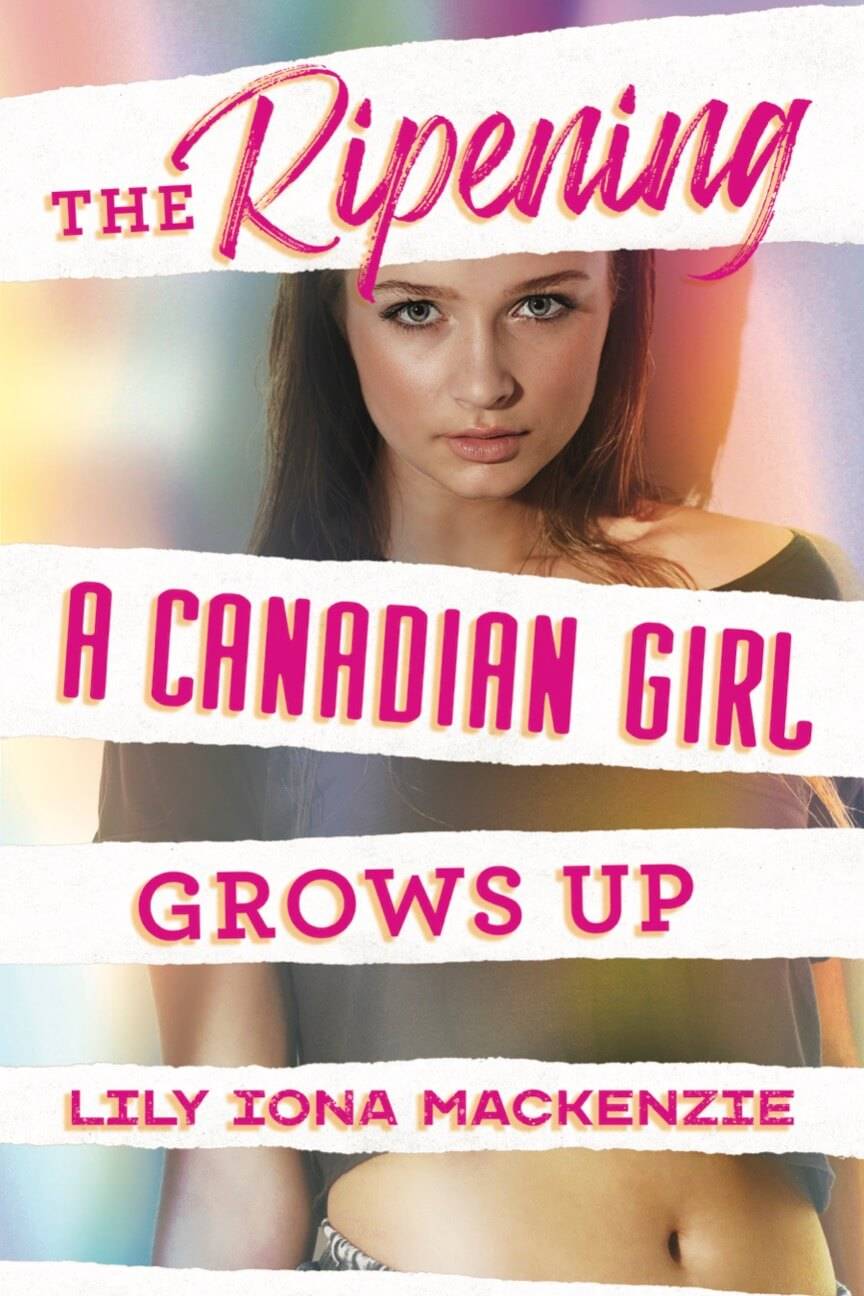
 Learn more about THE RIPENING: A CANADIAN GIRL GROWS UP
Thanks to Cliff Garstang for originally posting this interview with me on his blog:

- What’s the title of your book? Fiction? Nonfiction? Poetry? Who is the publisher and what’s the publication date?
The Ripening: A Canadian Girl Grows Up, fiction, Pen-L Publishing, 10/15/21
- In a couple of sentences, what’s the book about?
This coming-of-age story follows Tillie Bishop from her early years until she turns eighteen. She never knew her father, so when her mother abandons her at fourteen, Tillie quickly becomes streetwise. Even in Calgary, forces of the ‘60s—a decade of rebellion, discovery, and upheaval—already are at work within her. Her grit and ability to face life’s challenges are inspiring, the seeds for her later discovery of her artist self.
- What’s the book’s genre (for fiction and nonfiction) or primary style (for poetry)?
Young Adult, New Adult, & Adult
- What’s the nicest thing anyone has said about the book so far?
“Lily Iona MacKenzie deftly takes readers into that throbbing, psychedelic world of drugs, booze, and one-night stands where they will root for Tillie as she struggles to find herself. You will be swept along as she painfully learns that true happiness is seldom found amid the glitter and grime. It’s hiding somewhere else … in plain sight. A well-written and visceral story.” Janice Gilbertson, author of Summer of ’58, Canyon House, and The Dark Side of Gibson Road
- What book or books is yours comparable to or a cross between? [Is your book like Moby Dick or maybe it’s more like Frankenstein meets Peter Pan?]
Since there are so few novels (or memoirs for that matter) about a female adolescent’s sexual awakening, it’s difficult to find another book to compare it to!
- Why this book? Why now?
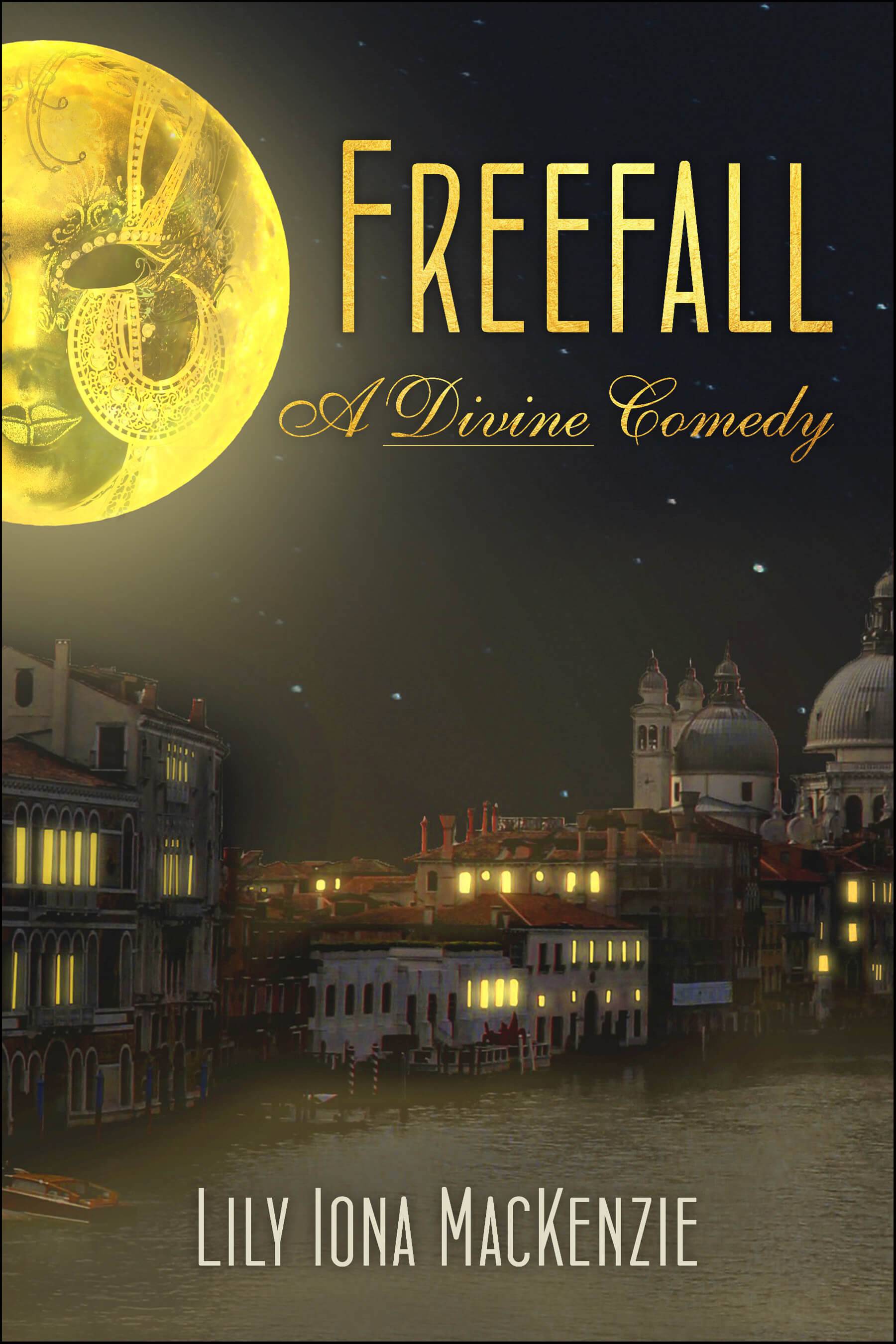
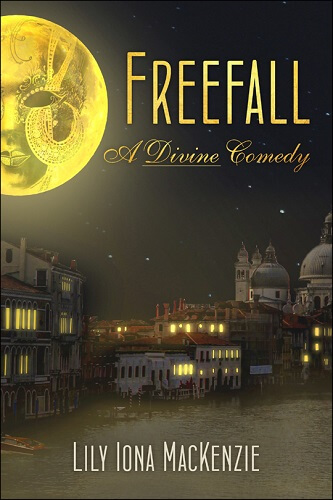
And why not? Each novel gives us one writer’s particular view of the world through his/her characters. This novel featuring Tillie grew out of my last one, Freefall: A Divine Comedy, where an older Tillie, a zany installation artist, is the main character. Pen-L Publishing released that book as well and had contracted with me for three novels. I so enjoyed interacting with Tillie while I wrote Freefall that I wanted to better understand her origins. In the follow up, then, I went back to the ‘40s and ‘50s, to a world that flashed green and red lights at women, the era that produced Tillie (and me!). Some had begun to challenge the dead ends their futures seemed to hold, and Tillie ends up being one of those girls.
- Other than writing this book, what’s the best job you’ve ever had?
Teaching writing at the college level and beyond has been extremely gratifying for me. One thing I discovered when I was teaching rhetoric to college students, and still applies to the creative writing classes I currently teach for older adults, is that my writing of poetry, fiction, or non-fiction is like teaching for me. Both give me an opportunity to investigate ideas, fears, interests, and obsessions—to ask and answer questions. The two roles complement each other, writing being a more introverted activity than teaching. When I write, I do the dance of seven veils. I remain relatively hidden while exposing myself, exploring my mind and imagination in public view, trying to tempt the reader. When I teach, I do a similar dance. Some seduction is needed to catch a student’s attention and turn it towards the important art of them capturing their thoughts in writing conveying them to a reader.
But I’m learning, too, from my students’ successes and failures, growing along with them as a teacher and writer. However, growth requires a willingness to try new things, both on the teacher’s part and the student’s, so I also must create an atmosphere where such risks can take place. I need to be skillful not just in teaching the craft itself but in managing a classroom, in creating a space where students feel safe to experiment and explore.
- What do you want readers to take away from the book?
I hope readers will resonate with Tillie’s ability to cope as she faces a multitude of challenges in eventually finding her way in the world. It’s an inspirational story for all ages. We all must deal with difficult times. I believe that Tillie’s story will give readers the courage to take on their own trials.
- What food and/or music do you associate with the book?
Country western music as well as rock and roll. Food? The kind of good country cooking that Tillie grew up with: fried chicken, mashed potatoes, home-baked bread and cinnamon rolls. Not too many vegetables!
- What book(s) are you reading currently?
I’ve recently discovered the spy novel genre, and while I have no desire to try writing such fiction, I’m impressed with some of the literary narratives that writers such as Daniel Silva, Peter May, and Louise Penney are producing. At the moment, I’m caught up in Silva’s House of Spies.
 The Ripening: A Canadian Girl Grows Up