
Lily Iona MacKenzie's Blog for Writers & Readers

MY BLOG POSTS COMMENT ON SOME ASPECTS OF WRITING & READING.

Guest Authors

HOW ONE BOOK CAN LEAD TO ANOTHER

From Genealogy to Memoir

In 2007, I published Counting on Grace, a work of historical fiction that told the story of a 12-year-old mill worker, a girl who “doffed” the bobbins in a textile mill in North Pownal, Vermont. My character was inspired by this photograph of a textile worker, taken by Lewis Hine, the photographer who traveled all over America documenting the lives of children who worked long days in dangerous industries like coal mining, oyster shucking, glass blowing and textile factories to name a few. When I first saw the photograph in a Vermont museum, I didn’t want to know anything about the actual child in the picture. I simply used her weary face, her filthy smock and her dirty bare feet as an inspiration for my story.

But once the novel had moved to the copyediting stage, I began to wonder about the actual child, the one who inspired my story. Hine had listed her as Annie Laird, but when we couldn’t find an entry for a child by that name in the 1900 census, I realized that Hine probably couldn’t hear what she told him over the noise of the spinning frames. So with a bit of imagination, the help of a local genealogist/researcher and some deeper digging, we found Addie Card  and her older sister, Annie in that census.

In the end, with the help of her descendants, we pieced together Addie’s story. She married a fellow mill worker, had a child, divorced and ended up living across the border in New York State. She died at the age of 93, never knowing that her face appeared in a Reebok ad decrying child labor or on a 1998 postage stamp.

I made sure that the billboard on the former site of the mill in North Pownal listed her correct name as did the entry in the Library of Congress Hine collection.

A writer coming off a book can get distracted by the marketing and publicity work, but I’ve always maintained that even then, a writer is never not writing. So, when I found myself at the end of the story of Grace, I suddenly realized that I knew more about Addie Card than I did about my own mother. Without knowing where my research would lead me, I turned my attention to my Gibraltar-born mother, her childhood by the Mediterranean and in England, her life in London during the war and her marriage to my father, a Yank who enlisted in the British Army.

Books start long before the writer knows what she’s doing or where she’s going. I thought I was simply filling in the gaps in my mother’s story. She’d always kept her counsel and had seemed content to let my father’s big noisy American family garner all the attention. But as I began to learn more about her, I could feel a book taking shape, this time a memoir that would start with my mother’s peculiar childhood in Gibraltar and my parents’ wartime romance and go on to tell the story of my childhood in cold war Washington, where we were surrounded by famous politicians, diplomats and CIA operatives.

The problem was I’d never written a memoir before, so I had to learn a new way of using the tools of fiction. It took me longer than usual to find my voice in this book, to discover the difference between autobiography and memoir and to find a way to tell my mother’s story without letting hers overshadow mine. In Daughter of Spies: Wartime Secrets, Family Lies I learned to use a braided narrative, one that moves back and forth from the past to the present. Memoir requires structure but like most projects, including novels, the book teaches the writer what it’s about while she’s writing it.

And it’s only in looking back that I realize the exploration of my mother’s story began with a search for a little girl in Vermont whose photograph had become iconic but whose story had been tossed into the dustbin of history.

Elizabeth Winthrop Alsop (www.elizabethwinthropalsop.com) is the author of over 50 works of fiction for adults and children under the pen name Elizabeth Winthrop.  These include the award-winning fantasy series, The Castle in the Attic and The Battle for the Castle as well as the short story, The Golden Darters, read on the nationwide radio program, Selected Shorts, and included in Best American Short Story anthology, and Island Justice and In My Mother’s House, two novels now available as eBooks.  She is the daughter of the acclaimed journalist, Stewart Alsop. Daughter of Spies: Wartime Secrets, Family Lies, a family history about her parents’ love affair during World War II and their marriage lived in the spotlight of Washington during the 1950s was published by Regal House, October 25, 2022.

Follow her newsletters on Substack.


emoticon-1421124_1280Fiction writers have been called many things, but magician seems to me the best description.  They dip into the black hat of their imagination and produce an endless variety of characters, situations, images, genres, events, and styles.  The effect on readers is nothing less than magical, the reader also becoming a magician, assisting in making visible what wasn’t there before. (more…)

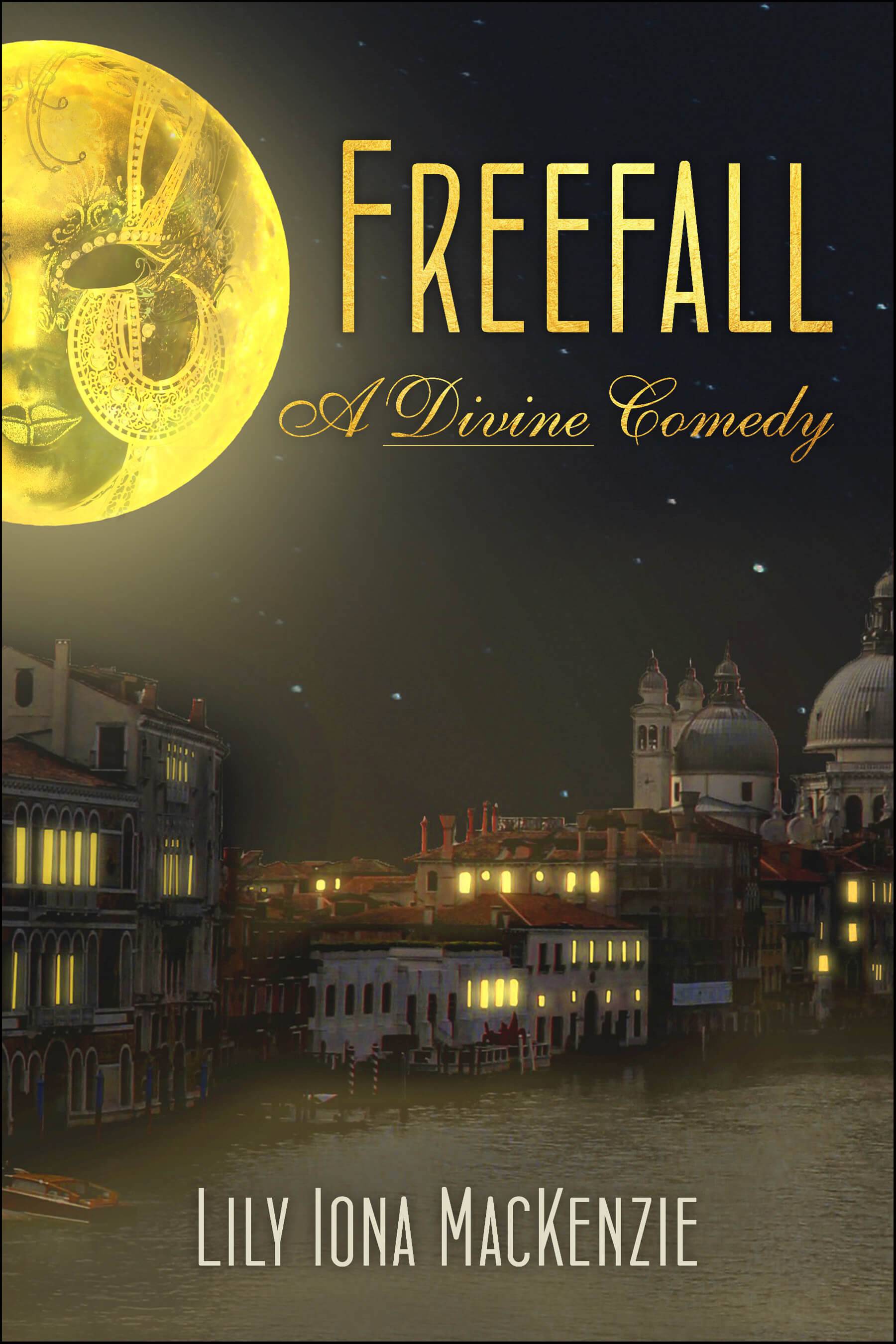
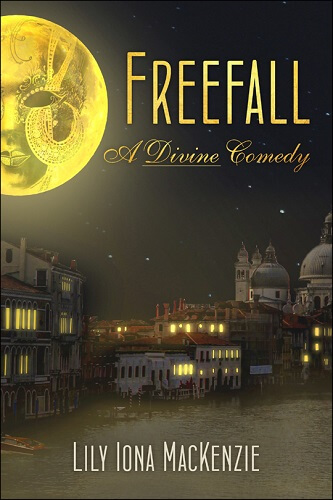
FreefallPen-l Publishing released my second novel, Freefall: A Divine Comedy in 2019. Recently, I’ve been thinking about its evolution, a reminder of the kind of journey we undertake when we start writing a novel. The road to the moment of publishing Freefall was a long one.

When I reviewed my notes for Freefall (I keep a working journal for each novel I write), I was amazed to discover I began it in September of 2000. I had been inspired by a visit to see an old friend, Ev, someone I’d hung out with in the late 1950s. Barb, another old friend from that time joined me at one of Ev’s homes, this one in Whistler, B.C.. (more…)

lovers-1676972_640

When I picked up Marguerite Duras’ The Lover, I wasn’t sure what to expect. I knew she was considered one of France’s most important literary figures, but The Lover was the first work of hers that I had read. (more…)

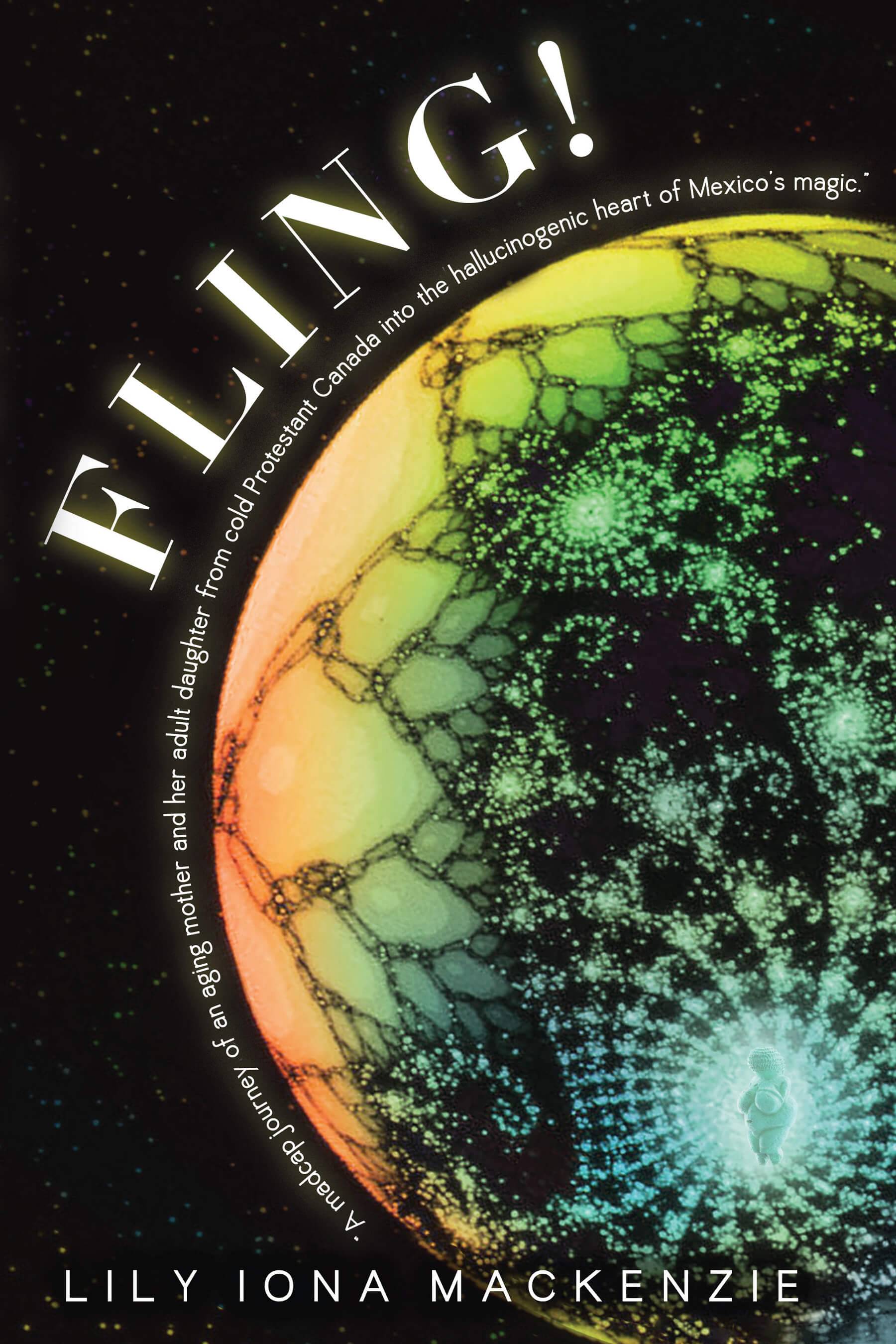
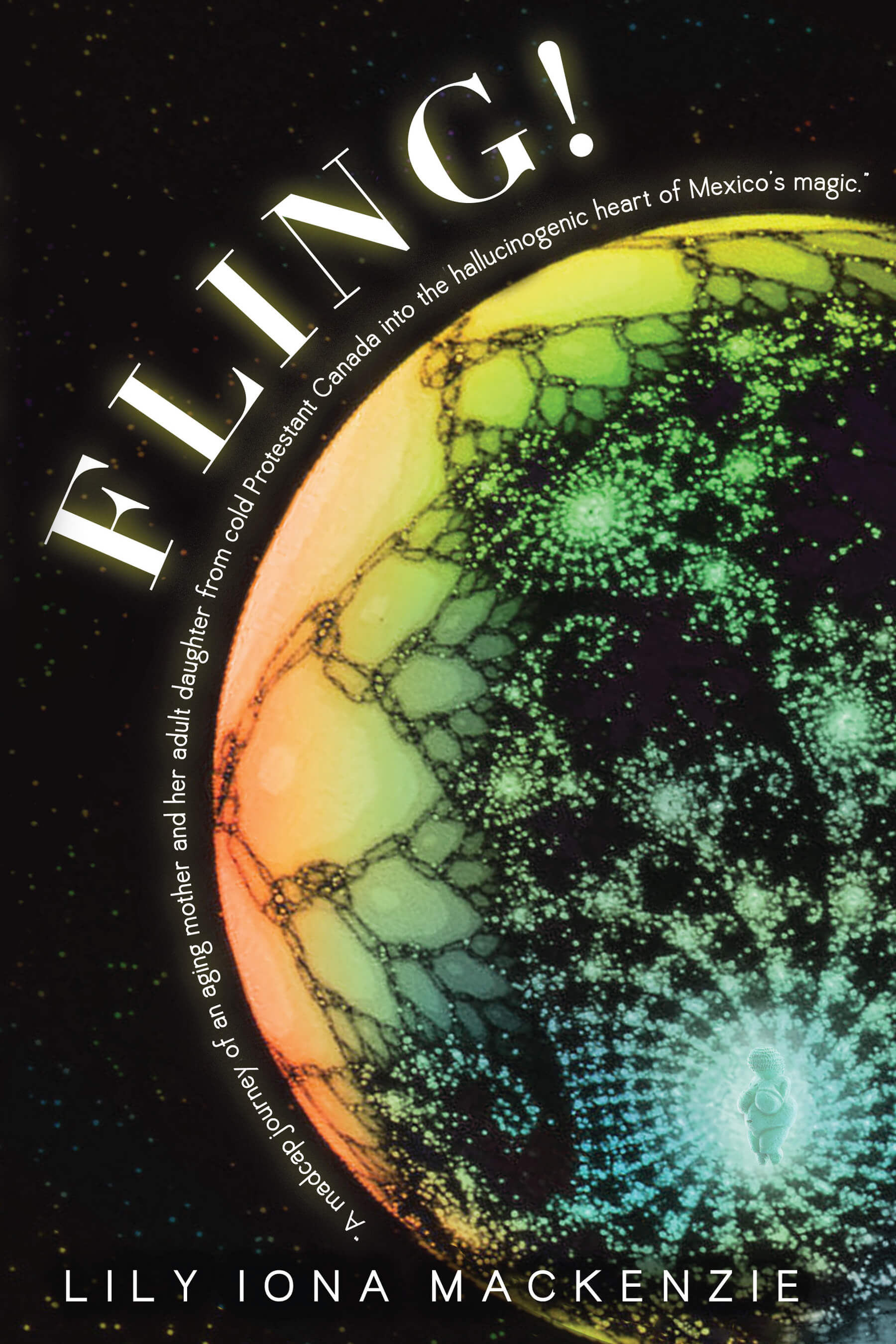
My novel Fling, a wildly comic romp on mothers, daughters, art, and travel, was published in July 2015.

What happens in Fling? Feather, an aging hippie, returns to her Calgary home to help her mother, Bubbles, celebrate her 90th birthday. Bubbles has received mail from the dead letter office in Mexico City, asking her to pick up her mother’s ashes, left there seventy years earlier and only now surfacing. (more…)

I’ve been on hiatus from my writing because of travel and family business. When I look back at the last date I entered in my writing journal, the one I keep along
side whatever work of fiction is occupying me these days, I’m not surprised to see it reads May 12th. I’ve been on the other side of the world and the other side of history from my characters who live half the time on the northeast coast of England in the 1940s and the other half in the same place in the 1400s.
No wonder, I’m finding it hard to get them talking to me again. So how do I jumpstart the process?

(more…)

From inside my study, one wall book-lined, the other holding a large mirror that makes the room appear bigger, I sit on the loveseat, listening to Strauss and the waterfall powered by a tiny electric pump. When I’m home, I turn it on, the sound of water like a heart beat in this house, a tangible reminder of what usually is invisible, at least to waking life—water for me representing the unconscious and all that lives there. (more…)

Years ago, for several months I was involved with a small Canadian literary agency with one principal, a former practicing contract attorney (I’ll call her Virginia, though that isn’t her real name), and her associate Sandra, a woman who claimed to have years of experience in the New York publishing scene as an agent and editor.  Before email became ubiquitous, ours was largely a relationship by mail—post cards, letters, faxes, and, occasionally, phone. (more…)

David Roth’s bio:

David received his undergraduate Communication degree from Stanford University. After moving to New York City to pursue a career in documentary film production, he began MA studies in Creative Writing at New York University, which included a course with his first literary hero E. L. Doctorow. He took a leave of absence after a semester to focus on supporting his growing family. That leave lasted thirty-five years and was primarily spent writing and/or directing and/or producing business communications. (more…)

I was having dinner with friends recently. They’d read my novel Fling! and wanted to know how I came up with the main characters’ names—Bubbles and Feather. When I tried to pinpoint the moment when the names tumbled onto the page, I couldn’t. (more…)

As you reflect on and write some of the stories from your life, remember, you are writing the truth as you know it. Someone else who was present at a particular incident you’ve written about can have a different view of “what happened,” but that doesn’t mean that what you remember didn’t happen the way you remember it. (more…)


I’ve been thinking a lot recently about my creative process. A few months ago, I signed up for a program called Plottr, an application that helps writers outline their stories as well as create what is known in the biz as a story bible. I’m at work on a novel that is part of a series. Every book in the series introduces new characters, new plot lines, new settings and different magical properties.  I’ve been looking for a way to go back and reference those twists and turns easily. When Deegan stole the magic token in the second book, what exactly did he use it for?  How old was William in the first book and how much time elapsed before he took his friend Jason back with him to the 14th Century? (more…)

books copyI’ve been thinking about book festivals I’ve participated in and realize that, while these events are great for focusing on the many book genres available, I probably won’t attend one again. A while back, I signed up for the Bay Area Book Festival in Berkeley, a relatively new venue. Its first session was in 2015, and it claims to be an international event that draws people from all over the world: “More than 50,000 diverse people of all ages, from urban to suburban Bay Area communities and beyond. (more…)

In “Spirit of the Law,” a short story I’ve been working on, I want to explore life after death, and something else—how the dead go on living or not living, if only in our memory, in the physical places where we’ve known them. (more…)

hand-325321_1920I opened the I Ching at random this morning and came up with #38, K’uei / Opposition.   The commentary says it is common for two opposites to exist together, needing to find relationship.  I realize an opposition is being set up just in the act of writing my memoir Drop Out:  my inner writer will be observing everything I do closely and recording what she finds valuable.  I’m reminded of a review of Journey into the Dark:  The Tunnel by William Gass that appeared in The New York Times Book Review: (more…)

Writing is like prostitution.  First you do it for the love of it, then you do it for a few friends, and finally you do it for money.” —Molière

Since I first began publishing my pieces, I’ve struggled with this idea of writing for money.  Why, as Moliere suggests, should writers be prostituting themselves if they write for money, but a doctor isn’t if he charges patients for treating them, or a lawyer for advocating, things they’re trained and skilled to do?  I can’t answer for Moliere. I’m sure there were complex reasons as to why he felt this, many of them connected to his times, economics, and philosophy on life.  But I can try to tease out an answer for myself. (more…)

In this interview, Karen Hulene Bartell highlights the features of her new novel, Sacred Gift, Volume II of the Sacred Journey Series

NEWSacredGift_Front_4-8-15[4] copyWhat kind of recurring themes tie your first and second book of the series together?

The supernatural is a recurring theme. Angela, the uncanny baby of Sacred Choices comes of age in Sacred Gift. Kissed by the divine and grazed by the ungodly, Angela’s proof there’s “more in heaven and earth than is dreamt of” when she opens herself to communication with the afterlife. She uses her sacred gift to resolve the deep-rooted pain of those around her and spur them to recognize their potential.

The divine ties together Sacred Choices and Sacred Gift. The main characters are each on a sacred journey, and the divine subtly intervenes to guide them along their paths.

In Sacred Gift, many of the characters complete the journeys they began in Sacred Choices. Now grown, Angela Maria becomes the catalyst, the mediator. Because of her, Judith tears off her defensive ‘Band-Aid’ of busyness to forgive herself, come to terms with her aborted child, and reconcile with the child’s father. The timely topics of abortion and adoption infuse Sacred Gift.

Ceren comes ‘full circle’ with her past, ties in with Develyn’s future, and releases Esteban’s earthbound spirit. Sister Pastora recognizes her concealed gift and its potential. Jarek meets his daughter and his ‘karma.’

What do you think your readers will like or respond to the most about this story?

The sequel to Sacred Choices, Sacred Gift blends the Tex-Mex nationalities. It crosses the generations and includes multiple ethnic and cultural groups. In Sacred Gift, north meets south, and the ‘twain’ do meet. Many of the characters of the first book complete their stories in Sacred Gift, yet new characters steep the sequel with unique trials, novel missions, and fresh approaches to life’s challenges.

Though the main characters range in age from eighteen to ninety-two, from early reviews, twenty-something Develyn seems to resonate with readers. A botched-abortion survivor, whose mother died trying to abort her, she hears God’s call and slowly transitions from Goth girl to Religious.

What would a story be without romance, both for the young and young-at-heart? Astronomy-student Kio introduces Angela to moonlit river cruises, horse-drawn carriage rides, and puppy love. After eighteen years of marriage, Ceren and Justin rekindle their passion with a paranormal nudge.

Most of all, I believe readers will respond to the astro-archaeological secrets at Missions Concepción and Espada in San Antonio. Apparently, the Franciscan friars knew quite a bit about sacred geometry in the seventeen hundreds. You might say their knowledge is ‘illuminating.’

How do you incorporate the central TX area into your story? What will be familiar to people from the area?

San Antonio and the Texas Hill Country make up ninety percent of Sacred Gift’s setting. Primarily Angela travels San Antonio’s Riverwalk and Mission Trail, where she encounters the eerie apparitions and wraiths. Readers will recognize local restaurants and other venues, but Hill Country areas, such as the Devil’s Backbone, Purgatory Road, Wimberley, San Marcos, New Braunfels, and Austin should also be familiar ‘haunts’ to readers in central Texas.

Roughly ten percent of Sacred Gift’s action occurs in Mexico at Mexico City’s Our Lady of Guadalupe Basilica, Puebla, and the pyramids of Cholula and Teotihuacan. I dovetail Mexican locations into the central Texan story using flashbacks and recollections.

Were there any particular challenges writing this novel? And if so, how did you overcome them?

Over forty years ago, I terminated my only pregnancy in abortion. That still weighs on my mind. Writing Sacred Gift, the sequel to Sacred Choices has not only been personally cathartic, it’s been the key to helping others who’ve traveled similar paths. Everyone has a different story, rationale, and history, but there are so many walking wounded. It’s my privilege to address these women who’ve been scarred by abortion or adoption and offer help.

How did I overcome my challenges in writing this novel? I presented both sides of the pro-life/pro-choice decision – and let each reader make their own choice. Sacred Gift explores the series of decisions that ultimately leads to that choice.

How do I continue to overcome these challenges? I make myself available to speak to women’s groups. After I give a presentation, it’s rare that one or two women don’t approach me to share their stories. I want these women to know there are ways to release their pent-up grief and move on. I want to encourage them to open their ‘gift.’ Everyone’s gifted, but some never open their package.

Karen1[2]


Karen Hulene Bartell is available for speaking engagements and can be contacted via email: info@KarenHuleneBartell.com. Check online: www.KarenHuleneBartell.com

Sacred Gift is available at Amazon (http://www.amazon.com/Sacred-Gift-Journey-2/dp/1942428146/ref) and Pen-L Publishing (http://www.Pen-L.com/SacredGift.html), as well as all major bookstore.


Interview with guest author Andrea Cumbo-Floyd

AndiAndrea Cumbo-Floyd is a writer, editor, and writing teacher who has written The Slaves Have Names: Ancestors of my Home about the people who were enslaved on the plantation where she was raised and about her journey to get to know them. She and her husband live and thrive at God’s Whisper Farm at the edge of Virginia’s Blue Ridge. You can read more of her work at her website—http://www.andilit.com.

·      Who are your literary influences or inspiration? 

I could go on and on here, but I’ll just list a few—Marilynne Robinson, Kathleen Norris, Tracy Kidder, Octavia Butler, A.S. Byatt, JoAnn Beard, and so many more.

·      What have people most liked or found most meaningful/funny/creative/ challenging about your book?

In The Slaves Have Names, readers have taken hope, I think, in finding the stories of enslaved people because those stories are so rare.  We have a few slave narratives, which everyone who REALLY wants to know about the experience and history of slavery should read, but we really don’t have much beyond that. So several readers have told me they appreciated hearing what I could find about the people enslaved at the plantation where I was raised and also my attempts to imagine their lives when the facts gave out.

·      Why do you write?

It’s something that many writers have said, of course, but I write to know what I think, to understand why I feel the way I do, to clarify my own experiences.  I also write because I don’t know how not to.
·      As a result of publishing your book, what have you learned about yourself and/or the writing process?
Oh goodness, I’ve learned lots of things.  I realize I was impatient with getting The Slaves Have Names out. I could have taken more time to edit, to get the cover just right (although I love the cover my husband designed), to get the marketing plan in place a bit more.  But I’m usually one to act fast and then deal with the consequences—good or—so this is no different.
I’ve also learned that despite the fact that I KNOW that my book cannot appeal to all people, I am still quite disheartened by bad reviews.  So I”m learning to not read those unless I’m in a good head and heart space.  the slaves have names
·      Where do your characters come from? Since I write largely about the history and legacy of slavery, my characters often are historical people whom I am trying to uncover.  Or in the case of the YA novel I’m editing now, most of the characters are loosely based on people I know or have researched. But for one—Moses—he walked into my imagination a fully-formed person; still, though, he is much like I imagine my 3x great-grandfather James Henry Cumbo being.
·      What does your writing space look like?… like do you have a crazy mess of a desk full of notes and post its? Or is it a quaint chair at a coffee shop? 
I have just moved into my new office, which was the summer kitchen here at our 210-year-old Virginia farm.  I sit where the cookstove was, and my desk is placed where I imagine the enslaved woman who cooked in this kitchen stood.  I have three windows and the original door still hands directly across from my chair.  It’s made up of five vertical boards and three wide boards to hold it together.  The original latch is still there.  It’s a peaceful, rich space, and I treasure it and all the stories it carries in itself.
·      What’s the hardest part of writing or publishing?

For me, getting to the page is the hardest.  I will exude a tremendous amount of energy to avoid getting started. I haven’t quite figured out why that is yet, but I find that when I actually start, the writing is not that hard.  Editing is hard but drafting comes pretty easy for me . . . if I can just get myself to start.
·      What writing mistakes do you find yourself making most often?

Well, I keep forgetting that starting is hard, so there’s that.  I also tend to rush the editing, and that’s never good.  I’m trying to rectify those habits of mine.  In terms of mistakes in the writing, I still can’t get “its” and “it’s” right as I draft, and the right uses of “lie,” “lay,” “laid,” etc still baffle me.  That’s why I hire an editor. 🙂 
·      How would you like your books to change the world?
What a great question!  I would like for my books to help people see that they can look at the history and legacy of slavery with open eyes and open hearts and find healing and magic there.  We are so afraid of this history, so ashamed, too.  But until we will see it, we cannot heal from it.  So I hope my books help people see.
·      Where would your dream book signing occur?

I want to say that I’d love to sign books at Powell’s or the Strand bookstores, and of course, I would be so honored. But what comes to mind now is a dock overlooking some body of water—maybe a lake here in Virginia—with people sipping something delightful, eating locally-grown and rich snacks, and enjoying an evening together while I signed.  

Interview with guest author Janet K. Brown

janet (3)Thanks to Janet Brown for being my guest. Following is an interview I recently had with Janet.

How do you come up with book titles?

With Victoria and the Ghost, I named it for my granddaughter. It was never changed. With my devotion book, Divine Dining, my publisher changed it. I had titled it My Way or God’s Way. He thought it was too long & needed to be catchier.

With the new book, Worth Her Weight, I started with two other working titles. The first one was Higher Power. The second was Liberty for Lacey. My critique group suggested using a title with something about self worth. With their approval, I came up with Worth Her Weight since it involved a food addiction with my heroine overweight to begin with. Pen-L Publishing did not change that one.

As people learned about your book, what unexpected things happened along the way?

Most readers, so far, identify with Lacey’s food addiction. Since I’ve lived with the problem all my adult life, I was surprised to find a couple who said, “That’s not realistic. No one can eat that much food.” Boy, do I have news for them!

Why do you write?

Because I must. That’s the simplest, most straightforward answer. If you can give up writing, you weren’t meant to write. I can’t give it up.

Why do I write what I do? I consider my writing as a ministry. I type while God dictates.

As a result of publishing your book, what have you learned about yourself and/or the writing process?

Many years ago, I published my first short stories. Publishing a book, now three books, is like a dream come true. If I never do anything else with my writing, I feel so blessed to have lived my dream.

Since publishing, I have learned that the process is much harder and takes more patience than I ever thought possible.

At what moment did you decide you were a writer?

In ninth grade, my English teacher gave me a rough time. My essays and book reports had more red marks than a child with measles. Near the end of the year, I asked her why she picked on me more than anyone.

She said, “Because, Janet, I see promise in you that I don’t see in others. I want you to work harder.”

I was hooked.

What does your writing space look like? 

I converted our formal living room into my study. We put French doors on it to close it off because it stays messy. I have my old piano and my mother’s love seat in the room. I have a curio cabinet, a book shelf loaded with books, and two file cabinets. One desk holds papers and my printer. The computer desk has the monitor and lots of papers. Above my desk is a picture of Texas bluebonnets, and the other side has a plaque that reads, “Lo, I am with you alway. —Jesus.”

How do you start a novel/story?

  1. I have an idea.
  2. I start writing until I’ve finished a rough draft of about 3 chapters.
  3. Then, I draw an amoeba-shaped picture to plan the big things that I want to happen including the ending. (As far as I know at that point.) This website shows you what I mean by an amoeba-shaped picture and how it evolves: http://4rvreading-writingnewsletter.blogspot.com/2013/10/plotting-101.html
  4. I interview thoroughly my main characters and do a brief interview of secondary characters.
  5. Then, I go back to writing. I write without editing the whole rough draft until I add “The End.”
  6. Then, it’s reread and edit about 4-5 times over.

What feeds your process? Can you listen to music and write or not… can you write late at night or are you a morning person… when the spark happens, do you run for the pen or the screen or do you just hope it is still there tomorrow?

I write best in the morning when everything is quiet. I have been known to jot down notes, or even dreams, when I come across things to include in a story.

Where do your ideas come from for stories/books

Everywhere- from what happens to me, from what happens to others, to what I read in the paper or see on TV. A story is around every corner.

How much time do you spend writing each day?

It varies. When I’m in heavy promotion time, I do well to get in an hour a day. When a book is coming together and that spark you were talking about is alive, I might write four-five hours a day. I do try to write something every day to keep my head in the story.

Here is Janet’s bio and her book information:

Janet K. Brown lives in Wichita Falls, Texas with her husband, Charles. Writing became her second career after retirement from medical coding.

Worth Her Weight will be the author’s debut inspirational women’s fiction, but it makes a perfect companion to her recently released Divine Dining: 365 Devotions to Guide You to Healthier Weight and Abundant Wellness. Both books encompass her passion for diet, fitness, and God’s Word.

Worth Her Weight marks Brown’s third book. Who knew she had a penchant for teens and ghosts? She released her debut novel, an inspirational young adult, Victoria and the Ghost, in July, 2012.

Janet and her husband love to travel with their RV, visit their three daughters, two sons-in-law and three perfect grandchildren, and work in their church. Find her at http:/ /www.janetkbrown.com, on Twitter at https://twitter.com/janetkbrowntx, on Facebook  http://www.facebook.com/#!/pages/Janet-K-Brown-Author/143915285641707, and by e-mail: Janet.hope@att.net.

WHW_cover_11-26-14 (2)[1] copy

How can a woman who gives to everyone but herself accept God’s love and healing when she believes she’s fat, unworthy, and unfixable? Can she be Worth Her Weight?

LACEY CHANDLER helps her mother, her sister, her friend, and then she binges on food and wonders is there really a God?

BETTY CHANDLER hates being handicapped and useless, so she lashes out at the daughter that helps, and the God who doesn’t seem to care.

TOBY WHEELER loves being police chief in Wharton Rock, but when the devil invades the small town, he can’t release control.

Book Trailer: https://www.youtube.com/watch?v=qTotxQGtGn0

This inspirational women’s fiction is available now at http://www.pen-l.com/WorthHerWeight.html

And on Amazon: http://tinyurl.com/kkw94b6

Barnes & Nobel http://tinyurl.com/lk7cn4f


I’m delighted to introduce author Karen Hulene Bartell, PhD:

Please introduce yourself and tell us something about your books.

My name is Karen Hulene Bartell. I’m the author of Sacred Choices, Belize Navidad, Sacred Gift, Karen1[2]Sovereignty of the Dragons, and Untimely Partners, as well as a motivational keynote speaker, IT technical editor, wife, professor emeritus of Soochow University, Taipei, Taiwan, and the University of Texas at Austin, and all-around pilgrim of life.

I write the kind of books I want to read: spooky, but not gory; romantic, but not graphic.

What genres do you write in?

That’s a quirky question for me. I’ve tried writing in numerous genres. My bread-and-butter job is an IT technical writer, so I’ve written every kind of whitepaper, manual, and press release there is. I started out writing cookbooks, but, when I lectured at the universities, I wrote college textbooks. I’ve written children’s books and time-travel books, but finally I’ve found my ‘voice.’

My favorite genre is multicultural, offbeat love stories steeped in the supernatural that lift the spirit.

How did you come to write your first book and how long ago was it?

My first cookbook was The Best of Polish Cooking. I wrote it thirty years ago, and, according to my publisher and Publisher’s Weekly, it’s still a ‘best seller.’ I wrote it for three reasons. I knew I wanted to be an author. Someone had advised me that cookbooks were an easy way to break into the market – at that time, before recipes on the web took over. I loved cooking (then), and enjoyed experimenting with ethnic dishes. Plus, I had a Polish boyfriend at the time, who I wanted to impress 😉

When you sit down to write a new story, do you know what the ending will be before you start or does it evolve as you write?

I’ve never yet known what the ending will be. I start out with a vague idea of the plot. Then, as the characters develop, the story evolves. Many times, characters write their own scenes. They just ‘happen.’ Once, a character’s wife came to me me in a dream, advising what to write.

Are you a self-published author?

No, my publisher is Pen-L Publishing, but how they became my publisher is a funny story. After trying to get Sacred Spaces published for several months, I decided to self-publish it. I uploaded it to the web on Sunday afternoon. On Tuesday morning, it occurred to me that I’d sent the manuscript to a publisher several weeks before. Thinking it was the polite thing, I emailed them saying not to bother reading it, that it was published. After many back-and-forth emails, later that same day, they suggested that I divide into two books, Sacred Choices and Sacred Gift, and they offered me a five-year contract for as many books as I could write. (Follow-up note: Sacred Gift, the sequel to Sacred Choices, is being released in April.)

Which is the hardest part about being an author – the writing, the editing or the marketing?

The hardest part of writing is the marketing. IMHO, 95% of ‘writing’ is marketing. I write because I’m called. I love it. It simply flows. Editing’s second nature to me, but marketing is something I’ve had to develop. Scratch that. It’s something I’m learning as I go.

If you could vacation anywhere in the world, where would you choose and why?

If I could vacation anywhere, I’d go to Spain. It’s ironic that you ask! For our upcoming twenty-fourth anniversary, my husband surprised me with a trip to Spain next month. (Inside information: Spain will be the setting for my next novel. Working title: Christmas in Barcelona.)

Do you have your own website?

I do:

Web site: http://www.karenhulenebartell.com

Facebook: https://www.facebook.com/KarenHuleneBartell

Twitter: https://twitter.com/KarenHuleneBart

Amazon Reviews: http://www.amazon.com/Sacred-Choices-Karen-Hulene-Bartell/dp/1940222311/ref=sr_1_1?s=books&ie=UTF8&qid=1395776381&sr=1-1&keywords=sacred+choices+bartell

Amazon Author’s Page: http://www.amazon.com/Karen-Hulene-Bartell/e/B000APG0Q8/ref=dp_byline_cont_book_1

Sacred Choices on Goodreads: https://www.goodreads.com/book/show/21814556-sacred-choices?from_search=true

Goodreads Author Page: https://www.goodreads.com/author/show/611950.Karen_Hulene_Bartell

My Goodreads Blog: https://www.goodreads.com/author/show/611950.Karen_Hulene_Bartell/blog

Are you working on a new book at the moment?

I’m putting the finishing touches on Sacred Gift, the sequel to Sacred Choices.

Everyone’s gifted, but some people never open their package.

Synopsis:

Angela Maria Brannon, the adopted baby from Sacred Choices has come of age. Because of her Sacred Choicesconnection with the Aztec goddess Tonantzin and Our Lady of Guadalupe, she has a special gift. Able to communicate with the afterlife, she helps souls both in this world and the next to forgive and progress.

Because of Angela, her birth-mother Ceren comes full circle with her past, tying in with Develyn’s future. Develyn, the survivor of a botched abortion, hears God’s call, slowly transitioning from Goth Girl to postulant. Esteban’s earthbound spirit is liberated, allowing him to move on. Judith tears off her defensive ‘Band-Aid’ of busyness to forgive herself, come to terms with her aborted child, and reconcile with the child’s father. Pastora recognizes her concealed gift and its potential.

Located in the Texas Hill Country, along San Antonio’s River Walk and Mission Trail, Sacred Gift features eerie encounters with spectres, analemmas, and solar illuminations with both religious and astronomical significance. Kissed by the divine and grazed by the ungodly, Sacred Gift proves there’s “more in heaven and earth than is dreamt of….”


Guest Post by Blanche Day Manos: Mystery, Murder, Mayhem

Mystery, Murder, Mayhem

Why would a mild-manner retired kindergarten teacher turn to murder and mayhem in her golden years? Maybe it’s because being an author has been a lifelong dream. But why, you may ask, would her chosen genre be such a violent one? Actually, in a cozy, most of the violence happens off stage, so to speak but there’s a more important reason: I love reading and writing cozy mysteries.

A writer has to be, first of all, a reader. It all began with Nancy Drew, many years ago. From The Secret of the Old Clock, I was hooked on mysteries. Then, of course came the popular television series, Murder, She Wrote. I just had to try my hand at writing a Jessica Fletcher type book.

A friend, Barbara Burgess and I came up with the idea of a mother and daughter sleuth team. Barbara and I both had supportive moms who were inspirations for our writing. We both had Cherokee ancestry. We were brought up in rural areas and writers are supposed to write about what they know, right? Throw in some legends, two women with a healthy dose of curiosity and a penchant for mystery, place them in a hundred-year old farmhouse in a small Oklahoma town. Stir in a romantic interest or two and that’s a recipe for our cozy mysteries. We named the younger sleuth Darcy and her mom, Flora. We named the town Levi.

We got to know Darcy and Flora. We liked sitting down and having coffee with them around the old wood dining table. We admired their courage and determination and empathized with their human failings. So, we couldn’t just leave them in Levi after The Cemetery Club’s rousing finish. That’s how the second book, Grave Shift came about.

After the first two books, we had some questions we wanted Darcy and Flora to answer, questions about their own family and happenings in the long ago past. Best Left Buried was the ultimate and natural result.

Every writer knows that writing is a way of life, a flame within that will not be quenched, a dream that keeps growing. So, after Darcy and Flora, I launched out into a new series with a new protagonist set in another small Oklahoma town. Moonlight Can Be Murder grew out of a lot of “What Ifs.” What if a slightly past middle aged woman came back to her hometown after forty years absence, found her uncle dying, inherited a Victorian house and stirred up an old hornet’s nest? Well, you can see that this premise could not be ignored.

With a mystery writer, there’s always another possibility just around the corner, a long ago legend, a mysterious disappearance, or a question without an answer. This retired kindergarten teacher doesn’t plan to rock gently into her sunset years. I plan to liven up life a bit and what better way than jumping headfirst into a mystery?

Blanche Day Manos is a retired kindergarten teacher who makes her home in Northwest Arkansas after being an almost-lifelong Oklahoman. When she isn’t busy cooking up the next round of murder and mayhem, she enjoys her grandchildren, painting, playing the piano, and, of course, that most relaxing pastime, reading.

The Darcy and Flora cozy mysteries are available at Pen-L.com, Amazon.com, Barnes and Noble.com. Her blog site is BlancheDayManos.com and she invites you to drop in for a visit.

WP to LinkedIn Auto Publish Powered By : XYZScripts.com